



Technology
Coal-fired power declines in India, China as use of green energy surges
Published On Thu, 15 Jan 2026
Asian Horizan Network
44 Views
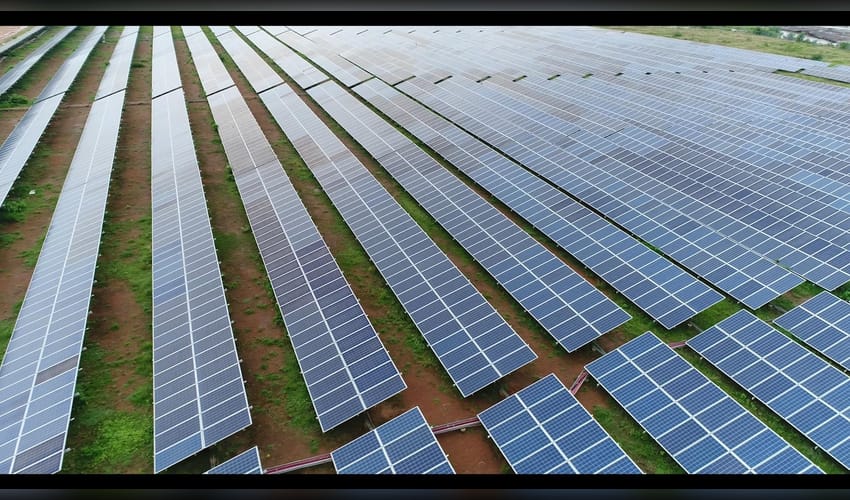

New Delhi, Jan 15 (AHN) Coal-fired power generation decline in both China and India in 2025 for the first time since the 1970s, as the two countries switched to non-fossil energy sources such as solar, wind and hydel to meet the rising electricity demand, according to a report compiled at the Centre for Research on Energy and Clean Air (CREA).
Electricity generated by coal plants fell by 1.6 per cent in China and by 3 per cent in India last year, marking “a historic moment” since the early 1970s that coal power has dropped in both countries in the same year, states an article in the UK newspaper Independent, based on the report.
This has international significance as together the two countries account for more than half of global coal-fired electricity generation, the article points out.
“It means that changes in their power systems have an outsized impact on global emissions. The report, commissioned by the climate news website Carbon Brief, said the combined drop in coal generation, alongside record growth in clean energy, marked a historic moment” and could be a sign of things to come,” the report states.
China added 300GW of solar power and 100GW of wind power – more than five times the UK’s total existing power generation capacity – which was a record high for any country.
Power generation from solar and wind rose by 450TWh, while nuclear output increased by 35TWh, according to the analysis.
Meanwhile, India added 35GW of solar capacity, 6GW of wind, and 3.5GW of hydropower in the first 11 months of the year, with renewable capacity additions up 44 per cent year-on-year, the report states.
This increase in renewable energy capacity reduced the need for coal plants to operate at high levels, leading to a fall in coal output despite continued economic growth. This marks the first time that clean-energy growth has played a significant role in driving down India’s coal-fired power generation, the report further states.
The CREA analysis said China’s recent growth in clean electricity generation, if sustained, is already enough to secure a peak in coal power. In India, it said existing clean-energy targets, if met, would allow coal power to peak before 2030, even if electricity demand growth accelerates again. Extreme heat, however, remains a major uncertainty.
Coal plants are often relied on to meet peak electricity demand during heatwaves, particularly in the evening when solar generation drops. At the same time, high temperatures can also strain coal plants themselves, reducing efficiency and increasing pressure on water supplies.
Despite the fall in coal generation, both countries continued to add new coal-fired power capacity during the year.
In China, approvals and construction of new coal plants continued, driven by concerns about energy security and the need to meet peak demand. India also pressed ahead with new coal projects, particularly to support industrial growth and electricity use during extreme heat.
This has widened the gap between how much coal capacity exists and how much coal power is actually being generated. The report found that coal plants in both countries are increasingly running for fewer hours each year, raising concerns about long-term costs and wasted investment.



