



Lifestyle
50 researchers reveal 5 steps to combat drug‑resistant fungi
Published On Wed, 15 Apr 2026
Asian Horizan Network
4 Views
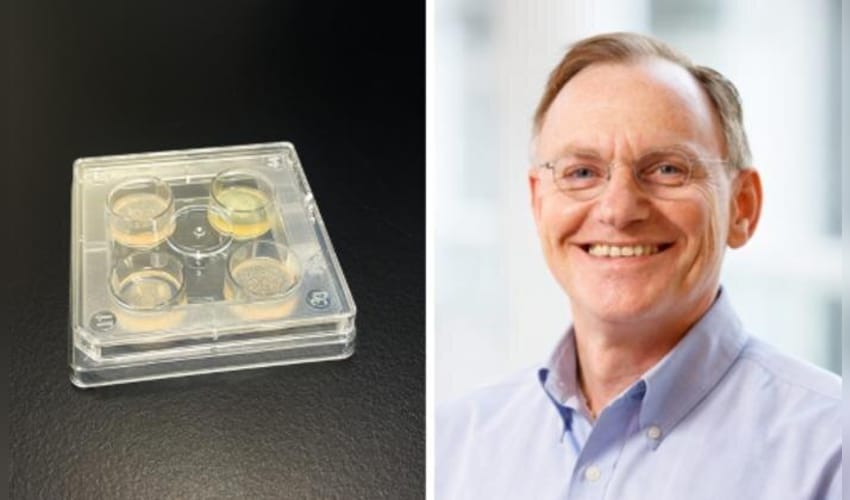

New Delhi, April 15 (AHN) A team of researchers said on Wednesday that an increasing number of fungi are becoming resistant to medication, posing serious risks for patients with weakened immune systems.
Under the leadership of Paul Verweij, medical microbiologist and professor at Radboud University Medical Center (Radboudumc) in the Netherlands, 50 researchers from 16 organisations worked together, according to a paper published in Nature Medicine.
They gathered global data and developed a five‑step plan to better monitor and prevent the rise of resistant fungi. The five steps include awareness, surveillance, infection prevention and control, optimised use, and investments.
Fungal resistance does not develop in hospitals but originates largely in the environment. Fungicides used to protect crops against fungal plant diseases closely resemble the antifungal drugs used in healthcare.
“Long‑term exposure in agriculture allows fungi to develop resistance to these agents. These resistant fungi then spread through the air. As a result, resistance emerging in agriculture can lead to less effective treatments for patients with severe fungal infections,” said researchers.
The widespread use of antifungal compounds across different sectors highlights the need for an integrated, or “One Health”, approach.
“We are facing a silent surge of drug‑resistant fungi – from Candida auris in ICUs to azole‑resistant Aspergillus in the community – that is already costing lives. Antifungal resistance must be integrated into the 2026 Global Action Plan on AMR, with concrete milestones and funding, or we risk repeating the mistakes made with antibacterial resistance,” said Professor Paul E. Verweij, consultant microbiologist at Radboudumc.
Dual use of antifungal targets in medicine and agriculture is accelerating resistance from fields to ICUs.
“Aligning agricultural authorizations with health risk assessments, while investing in new antifungals and affordable diagnostics, is a pragmatic One Health solution that protects both food security and patient care,” said Professor Michaela Lackner, microbiologist at Medical University of Innsbruck.



