



World
3.7 million children in Afghanistan expected to face acute malnutrition in 2026: OCHA
Published On Tue, 16 Jun 2026
Asian Horizan Network
2 Views
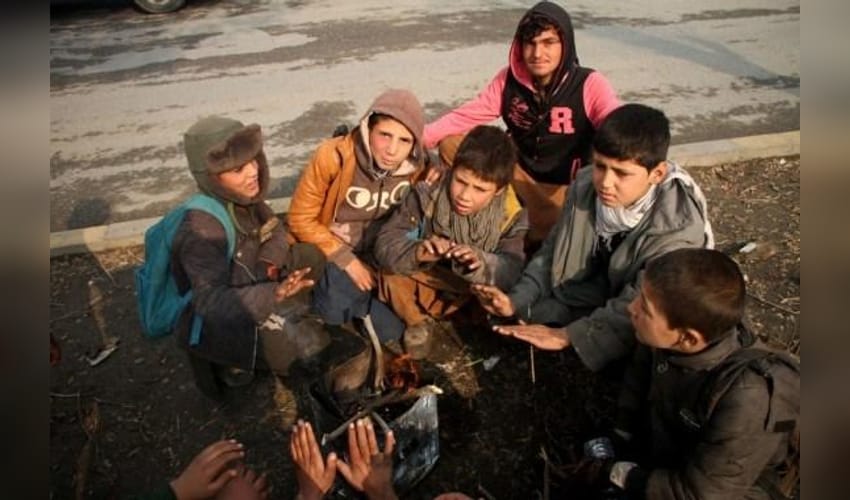

Kabul, June 16 (AHN) The nutrition crisis in Afghanistan is worsening, the United Nations Office for the Coordination of Humanitarian Affairs (OCHA) has warned, highlighting growing humanitarian concerns in the country, local media reported on Tuesday.
In a statement on Monday, the OCHA said that 3.7 million children are expected to face severe malnutrition in 2026. It emphasised the need to have urgent funding to save lives in Afghanistan and stop irreversible harm, Afghanistan-based Pajhwok Afghan News reported.
OCHA stated that the nutrition situation in Afghanistan is rapidly worsening in 2026, with wasting levels worsening in 26 of 34 provinces in comparison to 2025. It further mentioned that deterioration is happening before the peak wasting season which is from July to September, indicating an early and deepening crisis, Pajhwok Afghan News reported.
Earlier in May, United Nations Development Programme (UNDP) revealed that the humanitarian and economic crisis in Afghanistan continued to deteriorate in 2025, with nearly 28 million people not able to meet their basic needs amid increasing poverty, drought and reducing international aid.
In a new report, UNDP said Afghanistan's economy increased by only 1.9 per cent in 2025, far less than the country's 6.5 per cent population growth rate, resulting in continued decline in real per capita income. Nearly three-quarters of Afghans were forced to depend on negative coping mechanisms to survive, while over 80 per cent of households were having debt, Afghanistan-based Khaama Press reported.
According to the report, deteriorating drought conditions, the return of nearly 2.9 million Afghan migrants and reducing global assistance had put additional pressure on families already struggling with food shortages, unemployment and limited access to healthcare.
UNDP also linked the worsening economic situation to Taliban restrictions on women and girls, saying restrictions on education and employment of females had weakened the labour force and cut household incomes in Afghanistan.
The report stated that Afghanistan's trade deficit reached USD 11.3 billion in 2025, while access to clean drinking water and healthcare services continued to decline. Over 440 health centres were either shut or functioning with reduced services due to funding shortages, Khaama Press reported.
The agency warned that the crisis was further escalated due to climate-related shocks, with drought impacting nearly 64 per cent of Afghanistan's arable land in 2026. UN officials said continued investment in livelihoods, local businesses and public services would be important for preventing further economic collapse.



