



News
US-Iran Talks in Islamabad Collapse, Raising Fears of Renewed Escalation
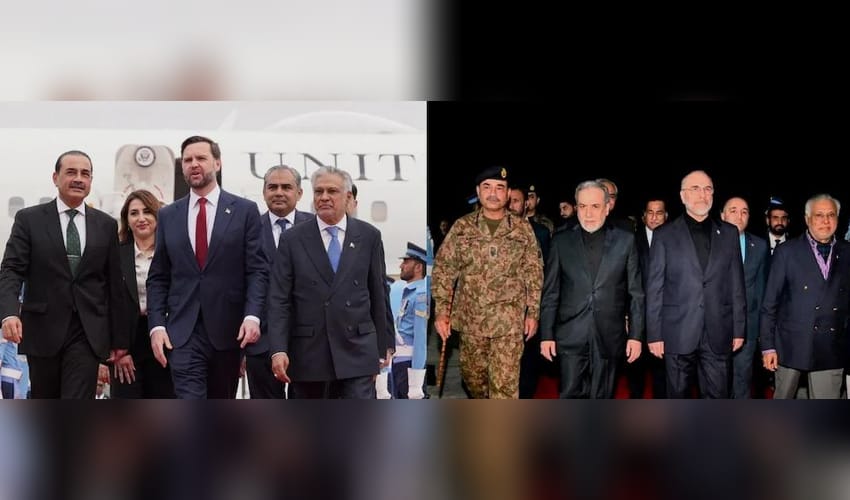

High-stakes peace talks between the United States and Iran in Islamabad have ended without an agreement, casting uncertainty over the fragile ceasefire and increasing fears of renewed conflict in the region.
The negotiations, led by US Vice President JD Vance and senior Iranian officials including Mohammad Bagher Ghalibaf, lasted more than 20 hours but failed to produce a breakthrough. The talks, mediated by Pakistan, were seen as a crucial step toward ending weeks of intense fighting and stabilising the Middle East.
Vance stated that the negotiations broke down because Iran refused to accept key US demands, particularly commitments to halt its nuclear ambitions. Iranian officials, however, pushed back, accusing Washington of taking a rigid stance and failing to build trust during the discussions.
The talks were part of a broader effort to reinforce a temporary ceasefire reached after weeks of conflict involving US and Israeli strikes on Iran. However, deep disagreements persisted over critical issues such as uranium enrichment, regional security, and control of the strategically vital Strait of Hormuz—a key route for global oil shipments.
Adding to tensions, US President Donald Trump has signaled tougher measures following the failed negotiations, including the possibility of a naval blockade targeting Iranian shipping. Such a move could further destabilise the already volatile situation and disrupt global energy markets.
The failure of the Islamabad talks has also raised concerns about the future of diplomatic efforts. While both sides have indicated some openness to further dialogue, the gap between their positions remains wide, particularly over nuclear policy and regional influence.
With the ceasefire now under strain and military tensions continuing in areas like Lebanon, the collapse of the talks underscores the difficulty of achieving a lasting resolution. As global attention remains fixed on the region, the coming days will be critical in determining whether diplomacy can be revived—or whether the conflict will escalate further.
Disclaimer : This image is taken from ndtv.



