



World
US-Iran Peace Deal Moves Forward as Hormuz Reopening and Blockade Relief Take Center Stage
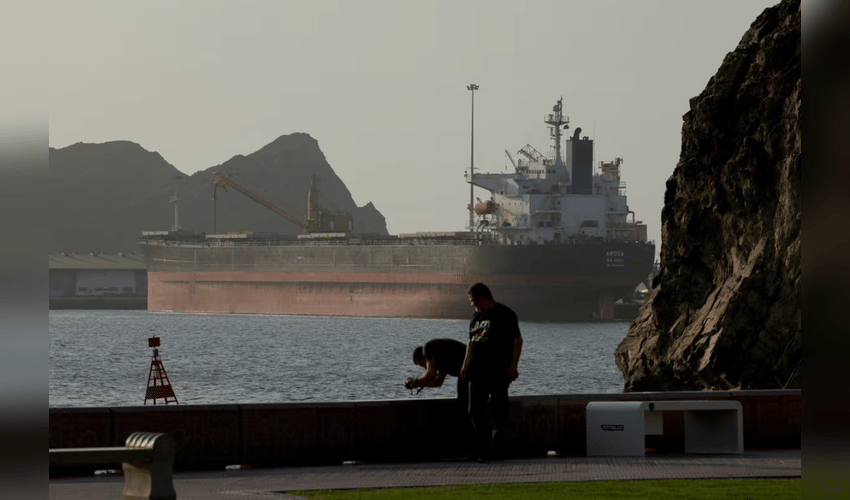

A major diplomatic breakthrough appears to be taking shape in the Middle East after the United States and Iran agreed to a framework aimed at ending months of confrontation, reopening key shipping routes, and launching a fresh round of negotiations on long-standing disputes. According to details emerging from the proposed agreement, Iran is expected to facilitate the reopening of the Strait of Hormuz, one of the world's most strategically important maritime passages, while the United States is set to gradually remove restrictions on Iranian shipping and ease aspects of its maritime blockade.
The development comes after intensive diplomatic efforts involving multiple stakeholders, with Pakistan reportedly playing a significant role in facilitating discussions between the two sides. The preliminary framework, often referred to as the "Islamabad Memorandum" in international reports, outlines commitments from both Washington and Tehran aimed at reducing tensions and restoring stability in the Gulf region. Reports indicate that the agreement includes provisions for ending military hostilities, restoring commercial maritime traffic, and opening a 60-day window for negotiations on broader issues, including sanctions and nuclear oversight.
The Strait of Hormuz remains central to the deal. The narrow waterway serves as a critical gateway for global energy supplies, carrying a substantial share of the world's oil exports. Any disruption in the region has historically triggered concerns across energy markets and raised fears of supply shortages. Market observers say the prospect of normal shipping operations through the strait could provide relief to global energy markets that have faced uncertainty in recent months. Analysts believe a sustained reduction in tensions may help stabilize oil prices and lower transportation costs for international trade.
Under the reported framework, the United States would move toward lifting restrictions affecting Iranian ports and vessels, while Iran would guarantee safe passage for commercial shipping in the Gulf and Gulf of Oman. The agreement also reportedly includes measures related to frozen Iranian assets and future economic cooperation, though many details are expected to be negotiated further during the next phase of talks.
Despite the positive momentum, officials and analysts caution that significant challenges remain. The current understanding is viewed as an interim framework rather than a final settlement. Issues such as sanctions relief, regional security arrangements, and Iran's nuclear program are expected to dominate upcoming negotiations.
International reactions have been largely focused on the potential economic impact of the agreement. Countries heavily dependent on Gulf energy supplies, including several major Asian economies, are closely monitoring developments as they assess the implications for trade and energy security. While both sides have presented the framework as a step toward de-escalation, experts warn that the success of the initiative will depend on implementation and continued diplomatic engagement. Any breakdown in trust or disagreements over key provisions could complicate efforts to transform the preliminary understanding into a lasting peace accord. The agreement has raised hopes that diplomacy may succeed in easing one of the most closely watched geopolitical standoffs in the region, with global markets and international governments awaiting the next stage of negotiations.



