


World
US Begins Mandatory Social Media Checks for H1B and H4 Visa Today
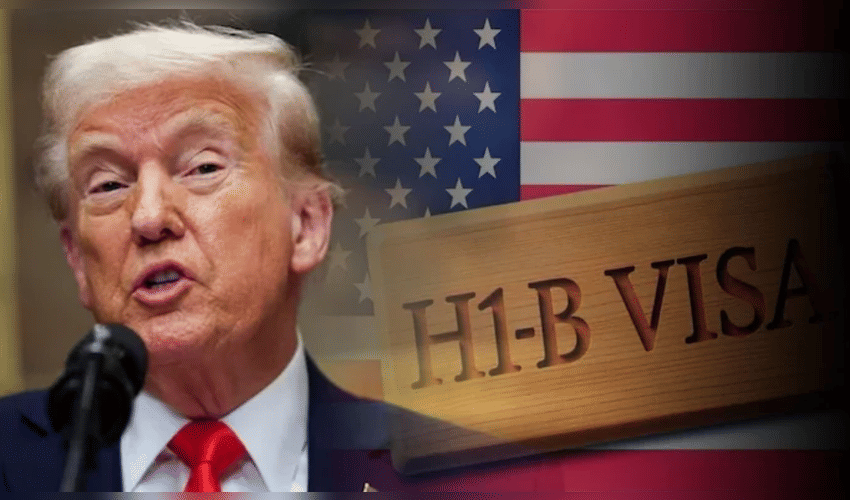

The U.S. State Department ushered in a new era of visa scrutiny by mandating comprehensive social media reviews for all H-1B work visa and dependent H-4 applicants. Announced last month, this enhanced screening targets potential national security risks by examining applicants’ online presence across platforms like Facebook, Instagram, LinkedIn, and X. Consular officers will now comb through public profiles and other digital footprints as part of routine vetting.
Under the new rules, applicants must set their social media profiles to public during processing, allowing officials to verify identities and flag any concerning activity from recent years. This change aligns with similar checks already in place for student visas and comes amid canceled interviews at high-volume consulates, particularly in India, where demand for H-1B visas is high among tech workers and medical professionals. These measures could lead to delays, affecting thousands of individuals who rely on these visas to work in the United States.
The policy reflects broader immigration tightening under President Trump, who has pledged reforms to curb H-1B abuses by outsourcing giants. Early reports indicate that some visas have already been revoked based on preliminary online findings, underscoring the seriousness of the policy.
Experts urge applicants to take immediate steps to mitigate risks. They recommend auditing profiles for outdated posts, controversial opinions, or work-related leaks that might be misinterpreted as red flags. Even seemingly innocuous content, such as a shared meme from a protest or an article on geopolitics, could prompt questions. Applicants are advised to temporarily switch accounts to public, ensure consistency across handles, avoid new posts during the review, and consult immigration attorneys for personalized audits, particularly if they have a history of activism.
Major H-1B sponsors like Google and Microsoft are briefing employees on these changes, as processing bottlenecks threaten talent pipelines in sectors such as AI and cybersecurity. While the policy is officially aimed at enhancing security, critics argue that it invades privacy and disproportionately affects skilled immigrants from India and China. Observers also predict that similar measures could expand to other visa categories, signaling a digital-first approach to U.S. border control. Consulates are expected to adapt in the coming months, making vigilance online an essential part of the visa application process.