



Asia In News
United States Releases Advisory for Citizens in Pakistan Amid 'Open War' With Afghanistan, Urges Them to 'Maintain a Low Profile'
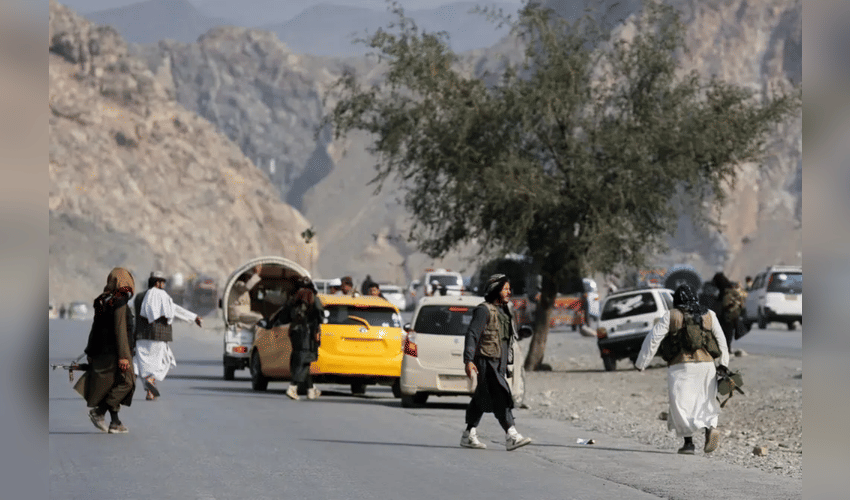

The United States has issued a new security advisory for its nationals in Pakistan, warning them to keep a low profile and avoid areas of heightened security activity as tensions with neighbouring Afghanistan escalate into what Pakistani officials are describing as an “open war.” The advisory comes amid a fresh round of cross‑border strikes and a sharp spike in military and security deployments across major Pakistani cities.
The US alert follows a series of dramatic developments along the Afghanistan‑Pakistan border. Pakistan launched air strikes on several Afghan cities, including Kabul and Kandahar, under an operation codenamed “Ghazab lil‑Haq,” after days of intense tit‑for‑tat firing. Pakistan’s defence minister has publicly stated that the two countries are now in a state of open war, effectively ending the fragile truce that had been in place since late 2025, thanks to earlier Qatari‑mediated talks. On the other side, the Afghan Taliban administration claims to have killed dozens of Pakistani soldiers and captured several others, while reporting relatively low casualties in its own forces. The rapid escalation has led to heightened anxiety among civilians on both sides of the border and prompted regional players like Iran and the European Union to call for restraint and renewed dialogue.
In a security alert issued by the US Embassy and its consulates in Pakistan, American citizens are being asked to remain cautious and adopt a low‑profile approach in public. The message specifically warns against travelling to or congregating near military installations, law‑enforcement facilities, and major commercial hubs, especially during peak hours, as these locations are considered potential flashpoints for retaliatory or terrorist attacks.
The advisory also urges travellers to monitor local media for real‑time updates, carry valid identification at all times, and cooperate with authorities if stopped. Americans in Pakistan are reminded to enroll or update their details in the Smart Traveler Enrollment Program (STEP), which allows the embassy to contact them directly in case of emergencies or sudden evacuations.
Across several Pakistani cities, residents have reported a visible increase in security forces at sensitive locations, including airports, government buildings, and busy markets. CCTV footage and local news reports show additional checkpoints and random bag checks, particularly in areas with a known presence of foreign embassies and high‑footfall business districts. Analysts say such measures are aimed both at deterring targeted attacks and reassuring the public, but they also add to the risk of traffic disruptions and longer wait times for commuters and travellers. The US advisory implicitly reflects this changed environment, asking citizens to avoid unnecessary movement and crowded areas whenever possible.
The current flare‑up is being seen as more than a border skirmish; it underlines long‑running disputes over the Durand Line, cross‑border militant activity, and accusations of each side harbouring insurgents. The short‑lived ceasefire in 2025, brokered through Qatari mediation, had briefly raised hopes of a more stable relationship, but sporadic clashes continued to simmer underneath.
Now, with both sides using the language of open war and exchanging heavy‑weight strikes, there are growing concerns about civilian casualties, disruption of trade at key border crossings, and the potential return of displacement or refugee flows. Regional powers are likely to recalibrate their diplomatic and economic engagement with both Pakistan and Afghanistan as the situation evolves. For international travellers and business visitors, the US advisory signals a need to reassess short‑term plans, especially non‑essential trips to higher‑risk zones. Airlines, hotels, and event organisers may see increased scrutiny and demand for flexible booking policies as foreign nationals tighten their security protocols. The story can also be framed as a reminder of how quickly border tensions can impact daily life, movement, and economic activity. Bloggers and news outlets can add value by explaining past advisories, comparing current risk levels, and offering practical safety tips for both foreign nationals and local residents navigating the new security landscape.