



Economy
Trump Unveils Plan for Up to 200 percent Tariffs on Generic Drug Imports, Raising Concerns for Indian Pharma
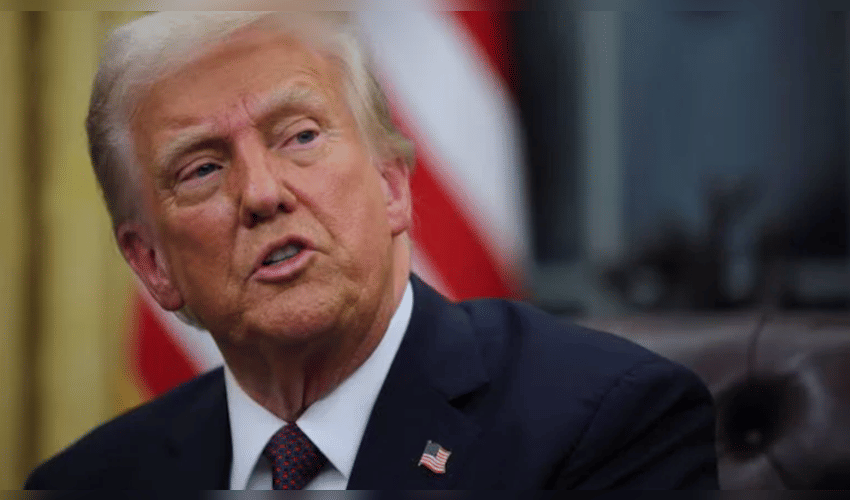

US President Donald Trump has announced a phased tariff plan on imported generic medicines that could significantly reshape global pharmaceutical trade and pose fresh challenges for India's drug manufacturing industry, one of the largest suppliers of affordable medicines to the United States.
Under the proposed policy, imported generic drugs will continue to enter the US without tariffs for the next two years. After the transition period, a 100% tariff will be imposed for one year, followed by a 200% tariff on generic medicine imports. The Trump administration says the measure is intended to encourage pharmaceutical companies to establish or expand manufacturing operations within the United States.
The announcement has sparked concerns in India, which is widely regarded as the world's leading producer of generic medicines. Indian pharmaceutical companies supply a substantial share of low-cost medicines used by American patients, making the US their largest export market. Industry experts warn that steep tariffs could reduce the competitiveness of Indian drugmakers and increase pressure on their earnings if the proposal is implemented as planned.
The impact was visible in the stock market soon after the announcement. Shares of several leading Indian pharmaceutical firms, including Sun Pharma, Cipla, Lupin, Dr. Reddy's Laboratories and Aurobindo Pharma, came under selling pressure as investors assessed the potential long-term effect on exports and profitability.
Analysts believe the two-year tariff-free window gives companies time to adapt by expanding manufacturing facilities in the US, strengthening local partnerships, or diversifying exports to other global markets. Firms that already operate manufacturing plants in the United States may be better positioned to manage the policy shift than exporters that rely primarily on shipments from India.
The proposed tariffs could also have implications for American consumers. Generic medicines account for a large share of prescriptions filled in the US because they offer affordable alternatives to branded drugs. If import costs rise sharply, healthcare experts say the additional expenses could eventually be reflected in medicine prices unless domestic production increases sufficiently to offset the higher costs.
While the policy is yet to take effect, it signals a major shift in the US government's approach to pharmaceutical imports. For India's pharmaceutical sector, which has built a strong presence in the American market over decades, the announcement is likely to accelerate discussions on supply chain diversification, overseas manufacturing and long-term export strategies.



