



World
Trump Targets Big Oil Over Record Profits Amid Iran War, Urges Lower Fuel Prices
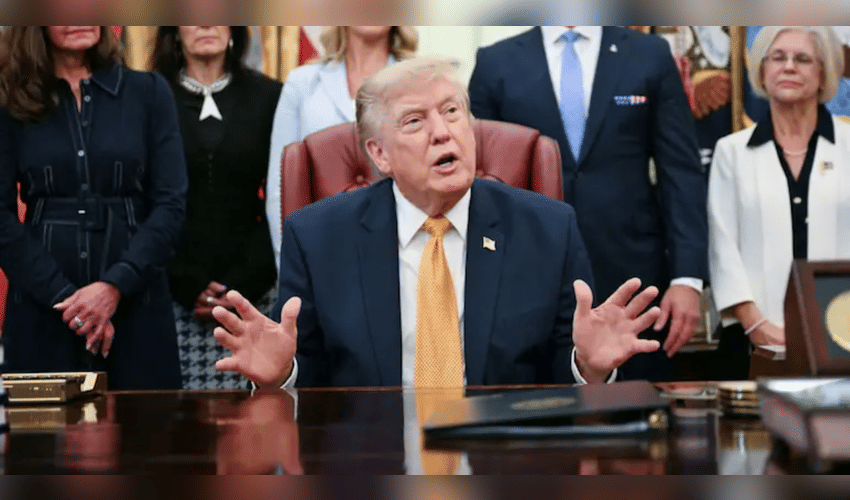

U.S. President Donald Trump has criticized America's largest oil companies for earning massive profits during the ongoing Iran war, saying they are "making too much money" while American consumers continue to pay high prices for gasoline. The remarks come as rising geopolitical tensions in the Middle East have pushed global crude oil prices higher, boosting earnings for major energy firms. Speaking at the White House and in posts on his Truth Social platform, Trump urged oil companies to pass on some of their gains to the public by lowering fuel prices instead of benefiting from the market turmoil. He argued that Americans should not bear the financial burden of a conflict-driven energy crisis while large corporations report record profits.
The criticism followed strong quarterly earnings reports from U.S. energy giants including ExxonMobil and Chevron. Higher global oil prices, fueled by concerns over supply disruptions linked to the Iran conflict, have significantly increased revenues for the companies in recent months. Trump also suggested that oil producers should "give some of that back" to consumers, emphasizing that gasoline prices remain a major concern for American families. According to recent reports, average fuel prices in the United States have climbed sharply since the conflict intensified, putting additional pressure on household budgets.
The President's comments represent a notable shift in tone. Throughout his political career, Trump has largely supported the U.S. oil and gas industry, frequently advocating for increased domestic energy production and reduced regulations. His latest criticism reflects growing concern over the impact of rising fuel prices on consumers and the broader economy.
Analysts say geopolitical uncertainty surrounding Iran has disrupted global energy markets, with fears over supply routes and crude availability driving oil prices upward. While energy producers benefit from higher prices, consumers often face increased costs for transportation, shipping, and everyday goods, as fuel expenses ripple across the economy.
Despite Trump's appeal, industry experts note that retail gasoline prices are influenced by several factors beyond corporate profits, including international crude prices, refining costs, transportation expenses, and taxes. As a result, any immediate reduction in prices at the pump may depend more on global market conditions than on voluntary action by oil companies. With the Iran war continuing to create uncertainty in energy markets, investors and consumers alike will be watching closely to see whether oil prices stabilize and whether major energy companies respond to the administration's call for lower fuel prices.



