



World
Trump Issues Stark Warning to Iran as Ceasefire Comes Under Pressure
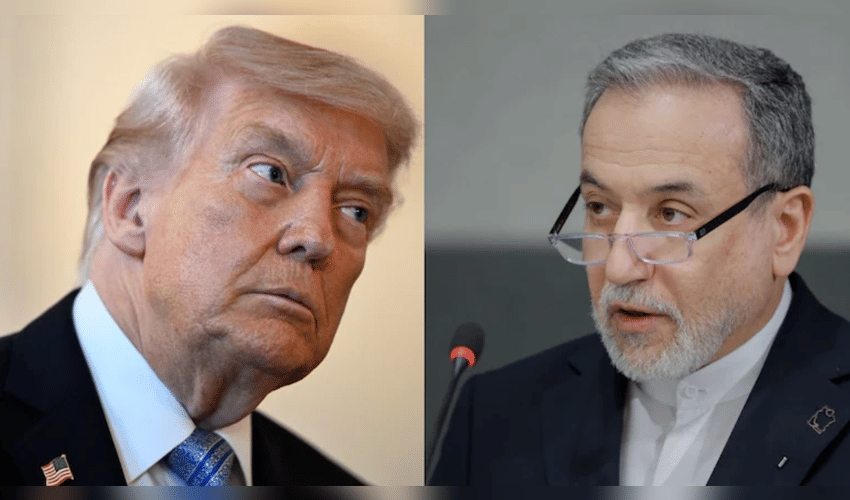

Tensions between the United States and Iran have intensified once again after Donald Trump delivered a strong warning to Tehran, cautioning against any attacks on American military assets in the Gulf region. His remarks come amid growing concerns that a fragile ceasefire between the two sides may be at risk. Trump indicated that any aggression targeting U.S. ships—particularly in the strategically critical Strait of Hormuz—would be met with decisive and overwhelming force. The statement marks one of the strongest warnings issued since the ceasefire agreement was put in place earlier this year.
The latest developments follow a series of security incidents reported near the Strait of Hormuz, a vital global oil transit corridor. According to defense sources, there have been increased sightings of drones and missile activity in the vicinity of U.S. naval vessels, raising alarms over potential escalation. While no major damage has been confirmed, the incidents have heightened military alert levels and triggered renewed diplomatic friction between Washington and Tehran.
Iranian officials were quick to respond to Trump’s remarks, describing them as “provocative” and warning against what they termed as “external interference” in regional waters. Authorities in Tehran reiterated that any foreign military presence perceived as a threat would be addressed. At the same time, Iran signaled that it remains open to diplomatic engagement, though it stressed that negotiations must be based on mutual respect and without coercion.
The current ceasefire, brokered through international mediation, had temporarily eased hostilities after months of heightened confrontation. However, recent developments suggest that both sides are testing its limits. Security analysts note that while neither country appears eager for a full-scale conflict, the combination of military activity and strong rhetoric could increase the risk of miscalculation. The situation has drawn attention worldwide due to the strategic importance of the Strait of Hormuz, through which a significant portion of global oil supplies pass. Any disruption in the region could have immediate consequences for energy markets and international trade.
The ceasefire remains in place, but observers warn it is increasingly fragile. Much will depend on whether diplomatic channels can keep pace with rising tensions on the ground. As both Washington and Tehran maintain firm positions, the coming days are expected to be critical in determining whether the situation stabilizes—or moves closer to confrontation.



