



World
Supreme Court Expands Donald Trump's Presidential Powers in Major Ruling Over Federal Agencies
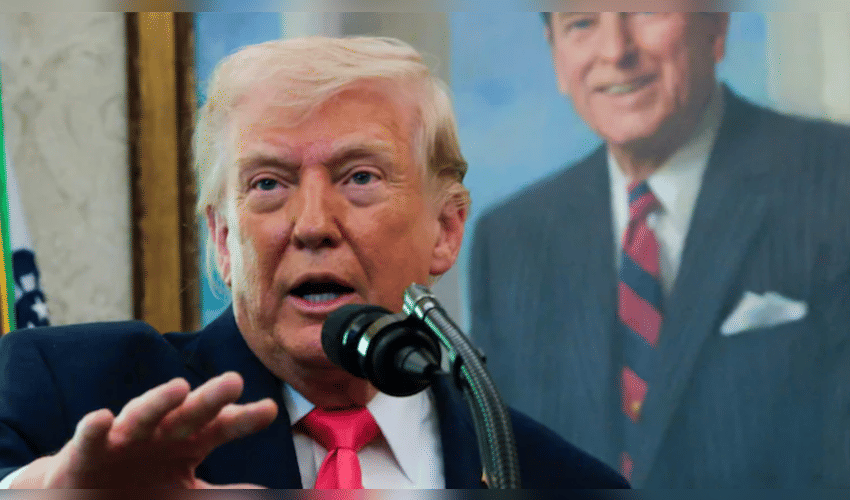

In a landmark decision that could significantly reshape the balance of power within the U.S. government, the United States Supreme Court has ruled that President Donald Trump can remove leaders of most independent federal agencies without having to show specific cause, marking one of the biggest expansions of presidential authority in decades.
The 6-3 ruling overturns a legal precedent that had been in place since 1935, which limited a president's ability to dismiss officials serving on independent regulatory bodies. The case centered on the removal of former Federal Trade Commission (FTC) Commissioner Rebecca Slaughter, who challenged her dismissal after being fired by Trump in 2025. The Supreme Court ultimately sided with the president, concluding that such restrictions on removal powers are unconstitutional.
The decision is expected to strengthen White House control over a wide range of federal agencies, including bodies responsible for consumer protection, labor relations, communications, and financial regulation. Legal experts say the ruling could affect roughly two dozen agencies that have traditionally operated with a degree of independence from presidential influence. Trump welcomed the verdict, describing it as a major victory for executive authority. Supporters of the ruling argue that elected presidents should have greater control over government officials responsible for implementing administration policies, saying it increases accountability to voters.
However, critics have expressed concern that the judgment could weaken institutional safeguards designed to keep regulatory agencies free from political pressure. Dissenting justices warned that the ruling risks concentrating excessive power in the executive branch and could undermine the independence of agencies tasked with overseeing critical sectors of the economy and public life.
Despite broadly siding with Trump, the court stopped short of granting unrestricted authority over all federal institutions. In a separate 5-4 ruling issued the same day, the justices refused to allow the immediate removal of Federal Reserve Governor Lisa Cook, highlighting the central bank's unique status and longstanding independence from political control.
The twin decisions are likely to fuel an ongoing debate over the scope of presidential power in the United States. Constitutional scholars note that the latest ruling could have consequences far beyond the Trump administration, potentially granting future presidents greater influence over agencies that were historically insulated from direct political intervention. With the Supreme Court dismantling a nearly century-old limitation on executive authority, the ruling is being viewed as a defining moment in the evolution of presidential power and the structure of the federal government.