



Economy
Still Afloat, Still Fragile: How Pakistan's Economy Is Merely Dodging Complete Collapse
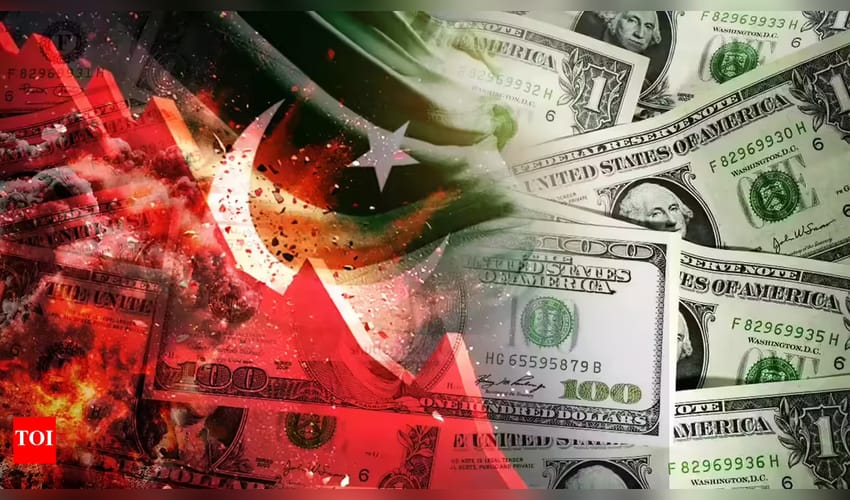

Pakistan’s economy may have avoided an outright crash for now but survival should not be mistaken for recovery. Propped up by emergency bailouts, deferred payments, and short-term fixes, the country remains trapped in a cycle of fragility that exposes decades of fiscal mismanagement, elite capture, and policy paralysis. The current calm is deceptive. Beneath the surface, Pakistan’s economy is still bleeding, kept afloat largely by external lifelines rather than internal strength.
Bailouts, Not Reform, Are the Lifeline
Pakistan’s continued access to IMF support and friendly-country deposits has prevented default, but at a steep cost. These funds have bought time, not stability. Structural reforms particularly in taxation, energy pricing, state-owned enterprises, and governance remain incomplete or deliberately diluted to protect powerful interests. As a result, Pakistan’s economic model remains fundamentally broken: consumption is suppressed, investment is stagnant, and productivity is falling.
Inflation Cripples Households
While macro indicators show marginal improvement, ordinary Pakistanis are experiencing relentless economic pain. Inflation has eroded purchasing power, food insecurity has worsened, and real wages have collapsed. Energy price hikes mandated by lenders to plug fiscal leaks have further squeezed households and small businesses. The burden of adjustment continues to fall disproportionately on the poor, while politically connected elites remain insulated.
Debt Trap Tightens
Pakistan’s external debt obligations are growing faster than its capacity to repay them. Servicing costs consume a large share of government revenue, leaving little room for development spending. With exports underperforming and remittances vulnerable to global shocks, the country’s foreign exchange position remains precarious. Economists warn that without a decisive break from debt-driven survival, Pakistan risks slipping back to the brink at the first external shock.
Elite Capture Blocks Recovery
One of Pakistan’s most persistent problems is the stranglehold of vested interests over economic policy. Powerful lobbies ranging from large landowners to industrial cartels continue to resist taxation and reform, undermining any attempt at sustainable recovery. This elite capture has hollowed out state capacity and eroded public trust, ensuring that crises repeat rather than resolve.
Political Instability Deepens Economic Risk
Economic fragility is compounded by political repression, institutional conflict, and governance uncertainty. Investors remain wary, policy continuity is weak, and decision-making is centralised in unelected hands. Without political stability and credible civilian oversight, meaningful economic reform remains unlikely.
Survival Is Not Success
Pakistan’s economy today is not collapsing but it is not healing either. The country is surviving on borrowed time, with each bailout postponing, rather than preventing, the next crisis. Unless Islamabad confronts its structural failures, curbs elite privilege, and prioritises long-term reform over short-term survival, Pakistan’s economy will remain what it is today: afloat, fragile, and perpetually one shock away from collapse.
This image is taken from Times Of India.



