



Asia In News
Sources report that China is requiring chipmakers to use at least 50 percent domestically produced equipment.
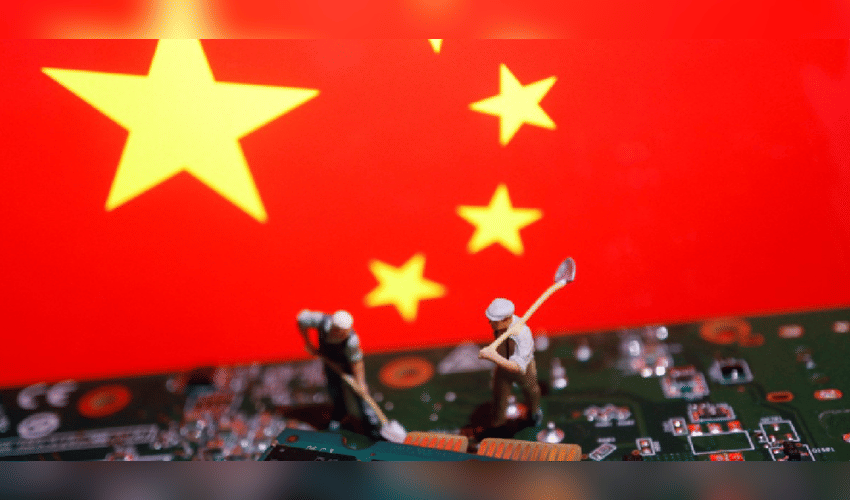

China is mandating that chipmakers use at least 50% domestically produced equipment when expanding or adding new production capacity, according to three sources familiar with the matter. While not officially published, authorities have informed companies seeking approval for new or expanded plants that they must demonstrate through procurement that at least half of their equipment is Chinese-made.
The policy is part of Beijing’s broader push to create a self-sufficient semiconductor supply chain, accelerated by U.S. export restrictions in 2023 that blocked the sale of advanced AI chips and semiconductor equipment. Even though foreign equipment from the U.S., Japan, South Korea, and Europe is still available, Chinese manufacturers are increasingly turning to domestic suppliers. Applications that do not meet the 50% threshold are typically rejected, though exceptions are made for supply shortages or advanced chip production lines where domestic equipment is not yet fully developed. One source noted that authorities ultimately aim for 100% domestic usage.
President Xi Jinping has emphasized a “whole nation” approach, mobilizing engineers and scientists across companies and research centers to build a fully self-reliant semiconductor ecosystem. Efforts span the entire supply chain, including the development of machines capable of producing cutting-edge chips—a project that the U.S. has long tried to block.
Domestic equipment makers like Naura Technology are rapidly advancing due to the policy. For example, Naura’s etching tools are being tested on SMIC’s 7nm production line after successful deployment on 14nm lines. Previously, such tools were largely supplied by foreign firms like Lam Research and Tokyo Electron. Naura and smaller firms like Advanced Micro-Fabrication Equipment (AMEC) are now filling that gap.
The push for domestic equipment is also translating into increased production, patents, and revenue. Naura filed 779 patents in 2025, more than doubling its filings since 2020–2021, and reported a 30% revenue increase to 16 billion yuan in the first half of 2025. AMEC’s first-half revenue rose 44% to 5 billion yuan. The policy underscores China’s strategic drive to reduce reliance on foreign technology while strengthening its domestic semiconductor industry, raising concerns among global competitors as foreign suppliers are gradually pushed out of the Chinese market.



