



Asia In News
Singapore Consults Domestic Businesses on US Chip Export Curbs, Deputy PM Says
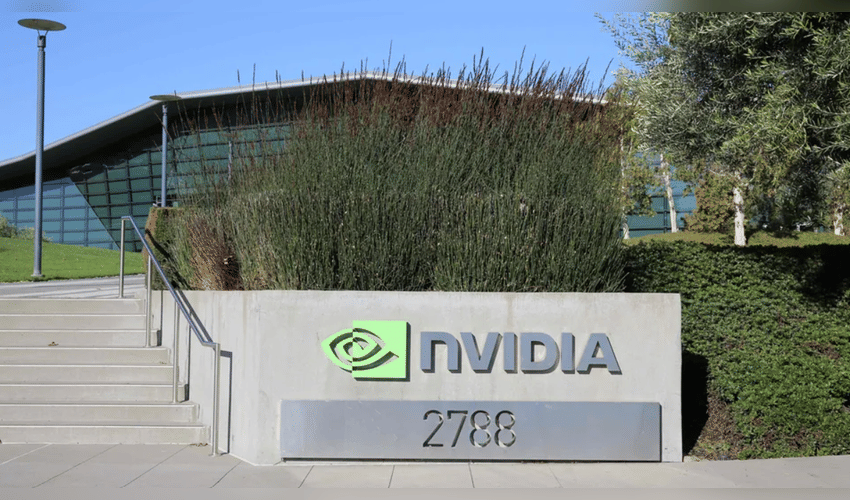

Singapore is engaging local businesses to assess the potential impact of tighter United States export restrictions on advanced artificial intelligence (AI) chips, Deputy Prime Minister Gan Kim Yong said, as uncertainty grows over the supply of high-performance computing equipment across Southeast Asia.
The move comes amid reports that Nvidia has asked manufacturing partners to temporarily suspend shipments of servers containing its advanced chips to several Southeast Asian countries, including Singapore, Malaysia, Thailand and Indonesia. Speaking about the situation, Gan said the government was reaching out to businesses to better understand the possible consequences of the restrictions. He added that Singapore was still seeking clarity on the reported shipment suspension and had not received confirmation from Nvidia.
The latest US measures introduce additional licensing requirements for certain advanced computing chips exported to Singapore and other countries. Washington's restrictions are aimed at preventing sensitive semiconductor technology from being diverted to unauthorised users, particularly in China. The regulations could have implications for Singapore's technology sector, which includes major data centre operators, cloud computing providers, semiconductor businesses and companies developing artificial intelligence applications.
Singapore has established itself as a major technology and financial hub in Asia, attracting significant investment from international technology companies. Access to advanced AI processors is particularly important for businesses operating large data centres and developing sophisticated computing systems. Any disruption to chip supplies could affect equipment procurement, infrastructure expansion and investment schedules. Companies may also face additional compliance requirements when importing advanced processors or supplying computing services to overseas customers.
The developments have raised concerns across Southeast Asia, where governments are competing to attract investment in AI infrastructure and digital services. Malaysia, Thailand and Indonesia could also face challenges as businesses adjust to the changing US export rules. Singapore has previously indicated its willingness to cooperate with American authorities to prevent the misuse of advanced semiconductor technology. The government has also stressed that the country should not be used as a channel to bypass international export restrictions.
The latest situation highlights the growing influence of geopolitical tensions on the global semiconductor industry. As competition over artificial intelligence intensifies, access to advanced chips has become an increasingly important issue for technology companies and governments. Singapore's ongoing discussions with local businesses are expected to help authorities assess the potential economic impact and determine how legitimate companies can continue operating while complying with the new regulations.
Disclaimer: This image is taken from Hindustan Times.