



News
Roof Collapse That Killed 14 Children Exposes Pakistan's Deepening Infrastructure Crisis
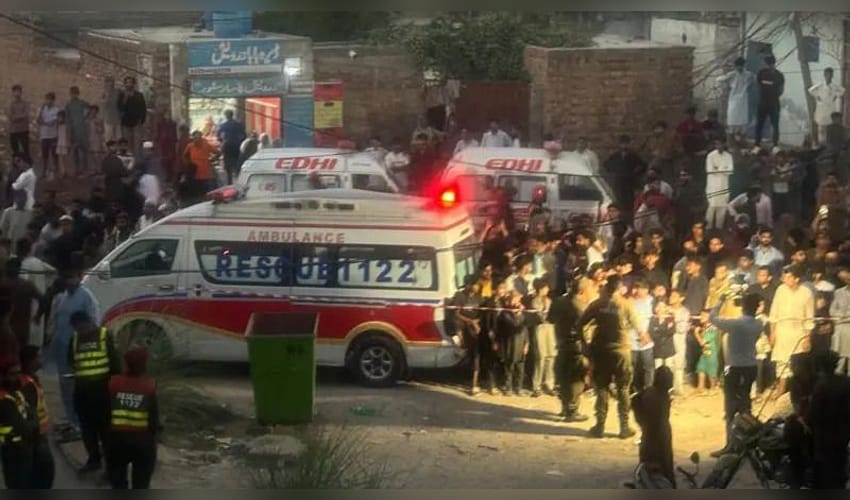

The tragic collapse of a roof at a tuition centre in Pakistan, which claimed the lives of at least 14 children and injured several others, has once again exposed the country's chronic neglect of public safety, poor construction standards, and weak regulatory enforcement. The devastating incident has sparked grief across the nation while raising uncomfortable questions about why such preventable disasters continue to occur.
According to local authorities, the roof of the tuition centre gave way while dozens of students were attending classes. Rescue workers, assisted by local residents, spent hours removing debris in a desperate effort to find survivors. The victims, most of them school-age children, were trapped beneath the rubble, with many succumbing to severe injuries before they could be rescued.
The tragedy has left families shattered and communities in mourning. Parents who had sent their children for an ordinary day of study instead found themselves searching hospitals and rescue sites, hoping against hope for good news that never came.
While investigations are underway to determine the exact cause of the collapse, the disaster has highlighted longstanding concerns over Pakistan's building safety regime. Across many parts of the country, educational institutions, residential buildings, and commercial structures often operate in aging or poorly maintained premises. Questions are frequently raised about whether buildings comply with engineering standards, whether inspections are carried out regularly, and whether authorities enforce safety regulations consistently.
Experts have repeatedly warned that weak oversight and inadequate maintenance increase the risk of structural failures. Illegal construction, poor-quality materials, unauthorized modifications, and lax enforcement of building codes have contributed to numerous accidents over the years. Yet meaningful reforms have often followed only after lives have already been lost.
The incident also reflects broader governance challenges. Pakistan's rapidly growing urban population has placed increasing pressure on infrastructure, but investment in safety inspections and regulatory capacity has not always kept pace. In many areas, understaffed municipal authorities struggle to monitor thousands of buildings, while allegations of corruption and political influence have further undermined enforcement efforts.
Education facilities deserve particular scrutiny. Parents reasonably expect schools and tuition centres to provide safe learning environments. Instead, repeated accidents involving fires, building collapses, and inadequate emergency preparedness have exposed serious shortcomings in safety management. Every such tragedy erodes public confidence and raises concerns about whether lessons from previous disasters have truly been implemented.
Opposition politicians and civil society groups have called for an independent investigation into the collapse. They argue that accountability should extend beyond identifying the immediate technical cause and examine whether negligence, regulatory failures, or administrative lapses contributed to the disaster. Calls have also grown for nationwide structural audits of schools, tuition centres, and other public buildings to identify facilities that may pose risks to children.
For Pakistan's policymakers, the incident serves as another reminder that infrastructure safety cannot remain a secondary concern. Preventive inspections, transparent licensing procedures, strict enforcement of building codes, and meaningful penalties for violations are essential if similar tragedies are to be avoided.
The loss of 14 young lives is more than an isolated accident—it reflects systemic weaknesses that have persisted for years. Unless authorities move beyond expressions of sympathy and implement sustained reforms, concerns will remain that similar disasters could occur elsewhere.
As grieving families prepare to bury their children, the nation is left confronting a painful question: how many more preventable tragedies must occur before public safety becomes a genuine national priority?
Disclaimer : This image is taken from BBC.