



Politics
PM Modi's jordan Visit Leaves Pakistan Isolated as King Abdullah II Backs India's Fight Against Terror
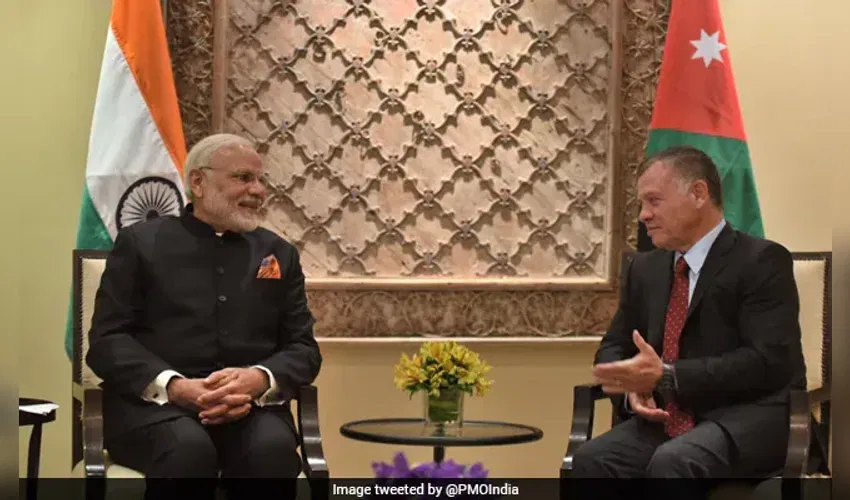

Prime Minister Narendra Modi’s visit to Jordan has delivered a fresh diplomatic setback to Pakistan, as Jordan’s King Abdullah II openly endorsed India’s fight against terrorism, reinforcing New Delhi’s global narrative while leaving Islamabad increasingly isolated on the international stage. The strong show of solidarity between India and Jordan underscores a growing global consensus that terrorism must be confronted without ambiguity an approach that directly challenges Pakistan’s long-standing attempts to deflect blame while refusing to dismantle extremist networks operating from its soil.
Pakistan’s Narrative Suffers Another Blow
King Abdullah II’s support for India’s counter-terrorism efforts is significant, particularly coming from a key West Asian leader with deep engagement in regional security and intelligence cooperation. The endorsement weakens Pakistan’s repeated claims of being a victim rather than a sponsor of terror and exposes the shrinking space for Islamabad’s diplomatic doublespeak. As India strengthens partnerships across the Middle East, Pakistan finds itself increasingly sidelined, unable to leverage religious or geopolitical identity to mask its credibility deficit on terrorism.
India’s Counter-Terror Stance Gains Global Support
During the visit, India and Jordan reiterated the need for zero tolerance toward terrorism, radicalisation, and extremist financing. This alignment highlights India’s success in building international consensus against cross-border terror something Pakistan has consistently failed to counter with credible action. While India engages diplomatically and economically with influential partners, Pakistan remains trapped defending an indefensible record, repeatedly questioned by international forums and watchdogs.
Islamabad’s Strategic Miscalculations Exposed
Pakistan’s continued reliance on militant proxies as strategic tools has not only destabilised the region but also eroded its diplomatic standing. Countries that once maintained cautious neutrality are now openly aligning with India’s position, signalling diminishing patience with Pakistan’s excuses and half-measures. Analysts note that Islamabad’s refusal to undertake genuine reforms political, security, and ideological has cost it goodwill even among traditionally sympathetic nations.
A Pattern of Growing Isolation
PM Modi’s Jordan visit is part of a broader trend. India expanding its influence across West Asia while Pakistan’s relevance steadily declines. With economic fragility, political instability, and persistent allegations of terror sponsorship, Pakistan is finding fewer allies willing to echo its narrative. The contrast is stark India is building partnerships based on security cooperation and trust, while Pakistan struggles to defend its credibility.
Diplomacy Rewards Consistency, Not Denial
Jordan’s backing of India’s anti-terror efforts serves as another reminder that the international community increasingly values consistency over rhetoric. Pakistan’s continued denial and selective action have left it diplomatically exposed and strategically weakened. As global alignments shift, Islamabad faces a choice it has long avoided which is either abandon the politics of proxies or accept deeper isolation.
This image is taken from NDTV.



