



News
Pakistan's New "Water War" Claim: Alarming Over Jhelum and Neelum Flows
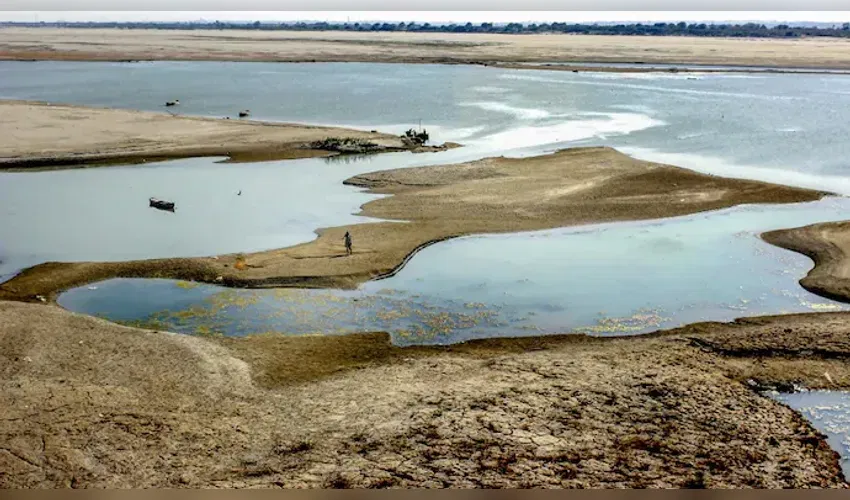

Pakistan’s latest allegation that India is deliberately disrupting the flows of the Jhelum and Neelum rivers marks yet another attempt to frame routine, treaty-compliant water management as a hostile act. Branded dramatically as a looming “water war,” the claim reflects a familiar pattern of alarmism that obscures facts, ignores legal mechanisms, and deflects attention from Pakistan’s own water governance failures.
Treaty Provisions Overlooked
The Indus Waters Treaty (IWT) explicitly allows India limited, non-consumptive use of western rivers, including run-of-the-river hydropower projects with strict storage and operational constraints. Projects on the Jhelum and Neelum have long been disclosed, discussed, and subjected to technical scrutiny under treaty procedures. Pakistan’s rhetoric, critics argue, selectively omits these safeguards to portray compliance as coercion.
Hydrology vs. Hysteria
Seasonal variations, climate change impacts, glacial melt, and erratic monsoons play a far larger role in fluctuating river flows than upstream engineering. Yet Islamabad’s narrative collapses complex hydrology into intentional disruption, feeding public anxiety while sidestepping scientific explanation. This conflation erodes serious water diplomacy and replaces it with headline-driven fear.
Deflecting Domestic Mismanagement
Pakistan’s water stress is primarily self-inflicted. Inefficient irrigation practices, leaky canals, poor storage capacity, and unregulated groundwater extraction have pushed the country toward scarcity. Instead of addressing these structural issues, successive governments have found it politically expedient to externalize blame casting India as the villain to mask decades of neglect.
Politicizing a Durable Treaty
The IWT has survived wars and crises precisely because it is insulated from political theatrics. Elevating technical disagreements to existential threats undermines one of South Asia’s few functioning bilateral frameworks. Pakistan’s repeated warnings of “water war” risk normalizing escalation where established dispute-resolution tools already exist and have been used.
Selective Internationalization
Islamabad’s effort to internationalize the Jhelum-Neelum issue mirrors past attempts to draw external pressure when bilateral or technical forums do not deliver desired outcomes. This strategy may generate attention, but it has yielded limited results and risks credibility fatigue among international stakeholders familiar with the treaty’s checks and balances.
India’s Record of Engagement
India has consistently engaged through treaty mechanisms, sharing data, allowing inspections, and participating in neutral expert processes. Disagreements have been managed within legal frameworks, reinforcing the treaty’s resilience. Claims of deliberate disruption ignore this record and substitute suspicion for evidence.
Pakistan’s “water war” rhetoric over the Jhelum and Neelum rivers is less about hydrology and more about politics. By inflating technical issues into security crises, Islamabad diverts attention from domestic mismanagement and weakens a treaty that has served both countries for decades. Sustainable water security will not come from alarmism, but from reform at home and sober, fact-based engagement across the table.
This image is taken from India Today.



