



Asia In News
Pakistan's Khawaja Asif Warns of War if Water Security Is Threatened Amid Indus Treaty Dispute
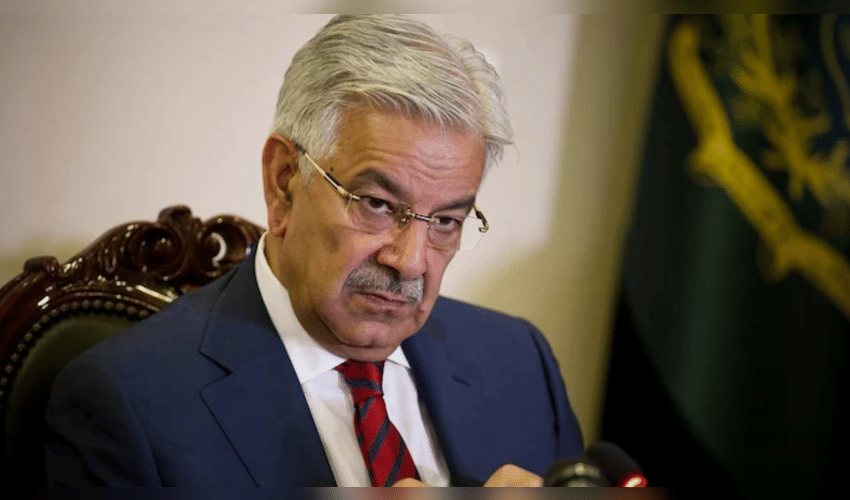

Pakistan Defence Minister Khawaja Asif has issued a strong warning to India, stating that Islamabad could consider military action if it believes the country's water security is under threat amid the ongoing dispute over the Indus Waters Treaty. Speaking during a television interview, Asif said that Pakistan views water security as a critical national security issue and would not hesitate to respond if it felt that its access to shared river waters was being compromised. His remarks come as tensions continue over the future of the Indus Waters Treaty, a decades-old water-sharing agreement between the two neighboring countries.
The latest statement follows India's decision to suspend participation in the treaty after the Pahalgam terror attack, a move that significantly increased friction between New Delhi and Islamabad. India has linked its position to national security concerns, while Pakistan has repeatedly called for the agreement to remain intact. "The moment we feel our national security is threatened, we will go to war," Asif reportedly said while discussing concerns over water availability and river management.
The Indus Waters Treaty, signed in 1960 with the support of the World Bank, governs the sharing of water from the Indus river system between India and Pakistan. For decades, it has been regarded as one of the few agreements that survived multiple periods of political and military tensions between the two countries.
Pakistan has expressed concern that any changes affecting river flows could worsen its existing water challenges. The country relies heavily on the Indus basin for agriculture, irrigation, and drinking water supplies, making the issue highly sensitive for policymakers and citizens alike. India, meanwhile, has maintained that discussions surrounding the treaty cannot be separated from broader security concerns. In recent international forums, Indian representatives have argued that the agreement requires reassessment in light of changing geopolitical realities and persistent cross-border security issues.
Analysts say the dispute highlights the growing strategic importance of water resources in South Asia. With climate change, population growth, and rising demand putting increasing pressure on freshwater supplies, water-sharing arrangements are becoming an increasingly important component of regional diplomacy. Despite the sharp rhetoric from both sides, experts believe diplomatic engagement and legal mechanisms remain the most likely path for resolving differences related to the treaty. Khawaja Asif's latest comments underscore how sensitive the issue has become and how quickly water disputes can escalate into broader geopolitical tensions.



