



News
Pakistan's Growing Anxiety Over Middle East Conflict Spillover
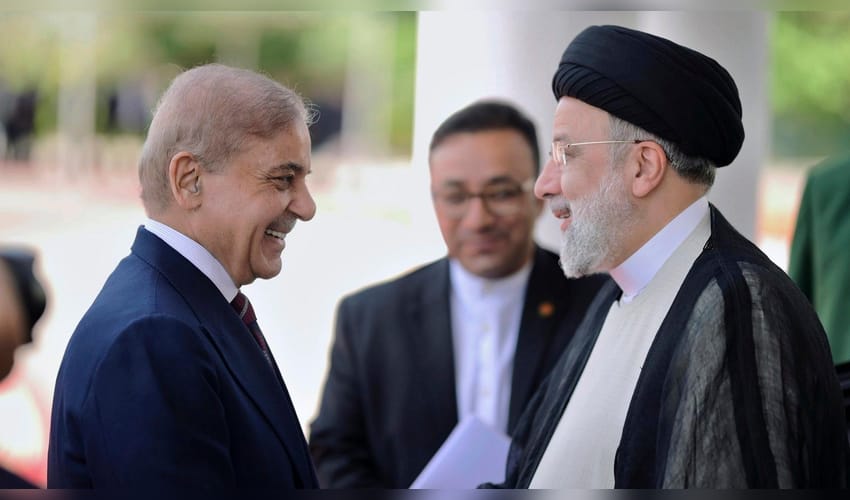

Pakistan’s increasing concern about the spillover effects of the ongoing Middle East conflict reflects more than just cautious diplomacy it exposes deep structural vulnerabilities in the country’s economy and governance. While officials warn of potential unrest and economic strain, the reality is that Pakistan may be far less prepared for external shocks than it publicly acknowledges.
At the heart of the issue lies Pakistan’s fragile economic framework. The country has long depended on imported energy, remittances, and external financial assistance. Any disruption in Middle Eastern stability particularly involving key players like Iran and Saudi Arabia directly threatens Pakistan’s fuel supply chains and foreign exchange stability. Rising oil prices alone could trigger inflation spikes, weaken the rupee, and further burden already struggling citizens.
Moreover, Pakistan’s reliance on overseas workers in the Gulf adds another layer of risk. Millions of Pakistanis employed in the region send vital remittances back home. If conflict escalates or regional economies slow, these flows could shrink dramatically, worsening Pakistan’s balance-of-payments crisis. Despite this, there appears to be little proactive policy planning to cushion such a blow.
Security concerns are equally troubling. Historically, instability in the Middle East has had ideological and sectarian repercussions inside Pakistan. With tensions involving Iran potentially inflaming sectarian divides, the risk of internal unrest cannot be dismissed. Yet, the government’s response has largely been reactive rather than preventive, raising questions about long-term strategy.
Diplomatically, Pakistan has attempted to position itself as a mediator, advocating for peace talks and regional stability. However, critics argue that this approach lacks tangible influence. Pakistan’s limited economic and geopolitical leverage means its calls for diplomacy may carry symbolic weight but little practical impact. This gap between ambition and capability underscores a recurring theme in Pakistan’s foreign policy—aspirations that exceed its strategic reach.
Additionally, the government’s warnings about “potential unrest” risk becoming a self-fulfilling narrative. Public anxiety, when amplified without clear mitigation plans, can fuel market instability and social tension. Transparent communication and concrete contingency measures would serve the country far better than vague cautionary statements.
In conclusion, the Middle East crisis is not just an external challenge for Pakistan it is a stress test of its internal resilience. Without decisive economic reforms, diversified energy strategies, and stronger institutional preparedness, Pakistan risks being disproportionately affected by a conflict it has little control over. The current situation should serve as a wake-up call for policymakers to move beyond short-term crisis management toward long-term structural stability.
This Image is taken from India Express.



