



World
Pakistan on Edge as Iran Protests Turn Deadly; Islamabad Fearful of Spillover and Instability
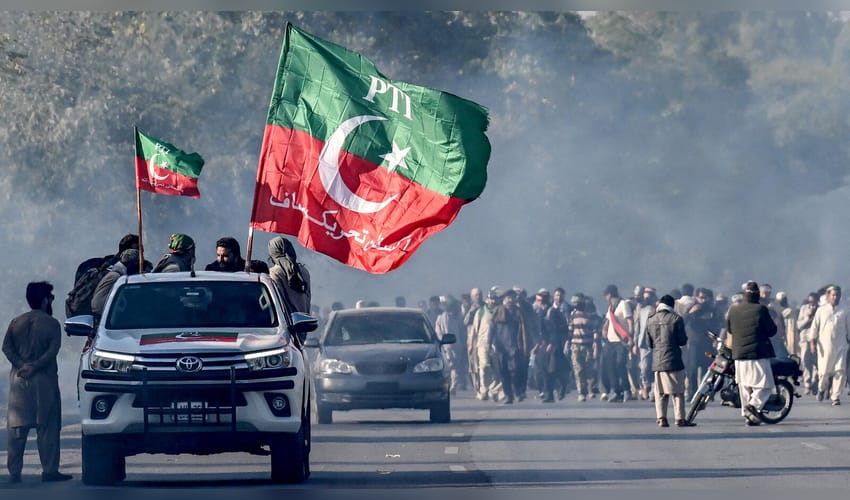

Pakistan is watching the unfolding crisis in neighbouring Iran with growing unease as nationwide protests against economic hardship and political repression have escalated into violent clashes resulting in hundreds of deaths and mass arrests. The unrest, which began in late December over rising prices, has evolved into a broader challenge to the Iranian leadership, drawing global attention and alarm in Islamabad.
The Pakistani government has publicly described the situation as an internal matter for Iran, but officials and security analysts are deeply concerned about its implications for regional stability and Pakistan’s own domestic challenges. Islamabad has urged Pakistani citizens to avoid non-essential travel to Iran and advised those already in the country to exercise extreme caution amid the deteriorating security environment.
Strategic and security anxieties are particularly acute because Pakistan shares long and porous borders with Iran, including in the restive Balochistan region. Islamabad fears that protracted unrest across the border could aggravate existing insurgencies and destabilise security dynamics in its own territory, which has been grappling with separatist violence and militant activity for years.
The protests have rapidly expanded beyond economic grievances, with demonstrators calling for political change and openly challenging Iran’s leadership. Supreme Leader Ayatollah Ali Khamenei has framed the unrest as the result of foreign interference, particularly by the United States and Israel, and pledged a hardened crackdown. Meanwhile, thousands have been detained, and communications blackouts have been imposed in parts of the country.
Pakistan’s Foreign Office has responded by issuing travel advisories and activating crisis support mechanisms at its missions in Tehran, but the official posture highlights Islamabad’s attempt to balance diplomatic caution with real fear of regional spillover. Analysts point out that prolonged turmoil in Iran could disrupt trade, increase refugee flows, complicate border management and add pressure on Pakistan’s already strained security apparatus.
Critics argue that Islamabad’s anxieties also reflect a broader insecurity over geopolitical shifts. A weakened Iranian state or extended conflict involving external powers could redraw strategic calculations in South Asia and the Middle East, potentially forcing Pakistan to make difficult diplomatic choices amid pressures from major global players.
Pakistan’s cautious stance, coupled with high-level monitoring of the situation, reveals a government acutely aware of how unrest next door could exacerbate internal vulnerabilities from insurgency in Balochistan to diplomatic entanglements—while underscoring Islamabad’s limited capacity to insulate itself from its volatile neighbourhood.
Disclaimer: This image is taken from the New York Times.



