



Economy
Oil Prices Surge as Fresh US-Iran Attacks Rattle Markets, Technology Stocks Face New Pressure
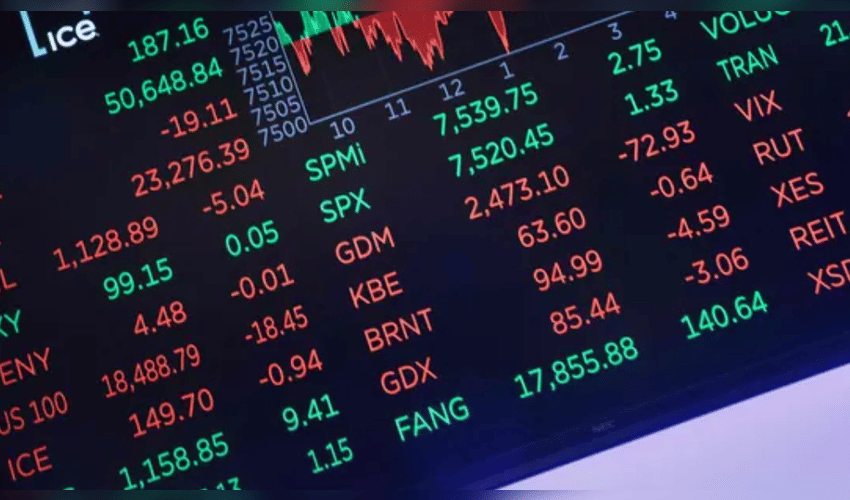

Oil prices climbed sharply while global stock markets came under pressure after fresh attacks involving the United States and Iran increased fears of a wider geopolitical crisis. The renewed tensions in the Middle East pushed investors toward safer assets, while technology stocks continued to struggle amid concerns over high valuations and slowing momentum.
Crude oil prices jumped as traders worried about possible disruptions to energy supplies from one of the world’s most important oil-producing regions. Brent crude moved higher by more than 4%, nearing the $80-per-barrel mark, as markets reacted to the possibility that the conflict could escalate further.
The Middle East remains central to global energy markets, with major oil producers and critical shipping routes located in the region. Any threat to supply chains or transportation networks can quickly affect international oil prices and increase costs for economies dependent on imported energy. The rise in crude prices has renewed concerns about inflation, especially in countries that rely heavily on oil imports. Higher fuel prices can increase transportation and production costs, putting pressure on businesses and consumers while making it more difficult for central banks to ease monetary policies.
Global stock markets reflected the growing uncertainty, with investors becoming more cautious amid concerns about the economic impact of rising energy prices. Asian markets faced weakness as traders assessed the possible consequences of a prolonged conflict and higher inflation risks. Indian markets also experienced pressure as the increase in crude prices raised concerns about the country’s import expenses and inflation outlook. Analysts said that sustained oil price increases could affect corporate earnings, particularly in industries such as aviation, transportation, manufacturing, and chemicals.
At the same time, technology stocks continued their downward trend, adding to market weakness. Companies linked to artificial intelligence, semiconductors, and other high-growth technology areas saw renewed selling as investors reconsidered whether recent valuations were justified. Technology shares had benefited from strong investor enthusiasm around artificial intelligence and digital transformation. However, concerns about expensive valuations and uncertainty over future growth have led some investors to reduce their exposure to the sector.
Market participants are now closely watching developments between Washington and Tehran, along with global oil supply conditions and upcoming economic data. Investors are trying to determine whether the latest market disruption will be temporary or whether it could become a longer-lasting challenge for the global economy. The combination of rising oil prices, geopolitical tensions, and weakness in technology stocks has created a difficult environment for financial markets, with uncertainty expected to remain high until there is more clarity on the direction of the conflict and its economic impact.



