



World
Oil prices climb as US-Iran talks remain deadlocked; Trump reportedly dissatisfied with Iran's latest offer

Global energy markets are bracing for further volatility today as diplomatic efforts to reopen the strategic Strait of Hormuz have reached a critical deadlock. Oil prices have seen a sharp upward tick, with Brent crude nearing $109 per barrel, as investors react to reports that the latest peace proposal from Tehran has been met with skepticism by the Trump administration.
The impasse follows weeks of behind-the-scenes diplomacy involving international intermediaries. Tehran recently proposed a framework to allow the resumption of commercial shipping through the Strait of Hormuz—a vital artery for roughly one-fifth of the world’s oil supply—in exchange for the immediate lifting of the U.S. naval blockade.
Sources close to the negotiations indicate that the proposal has hit a wall because it attempts to bifurcate the current conflict from the long-standing nuclear dispute. By suggesting that discussions on Iran’s nuclear program be deferred, Tehran appears to have clashed with the core policy objectives set forth by the White House.
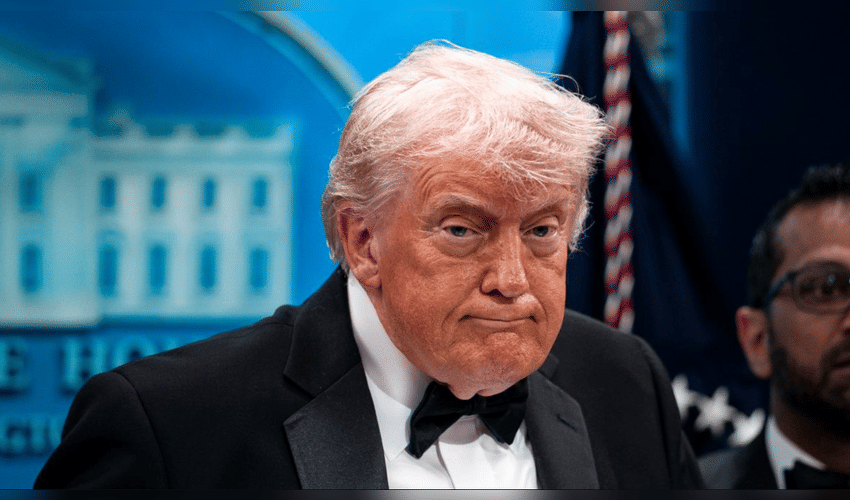
President Donald Trump has reportedly expressed frustration with the latest offer, signaling that the U.S. remains unwilling to accept a deal that does not address nuclear proliferation. Administration officials have maintained that any agreement lacking robust, enforceable limits on Iranian nuclear activity is effectively a non-starter.
"We are not here to settle for half-measures that compromise our long-term regional security," a spokesperson for the administration stated earlier today. This firm stance has effectively chilled market optimism that a breakthrough might lead to an immediate surge in oil supply, keeping the pressure on global fuel costs.
The persistent blockage has created a precarious situation for global energy markets, which are already grappling with restricted supply lines. Analysts warn that the continued suspension of passage through the Strait is beginning to strain storage capacities worldwide, exacerbating the upward pressure on prices at the pump.
As the region remains on a war footing, all eyes are now on the U.S. State Department to see if there is any flexibility in the current red lines. With the economic costs of the standoff mounting, the coming days are widely expected to determine whether the two sides can return to the negotiating table or if the current military and economic pressure campaigns will intensify further.



