



World
Marco Rubio Rejects Iran's Proposed Hormuz Tolls Amid Rising U.S.-Iran Tensions
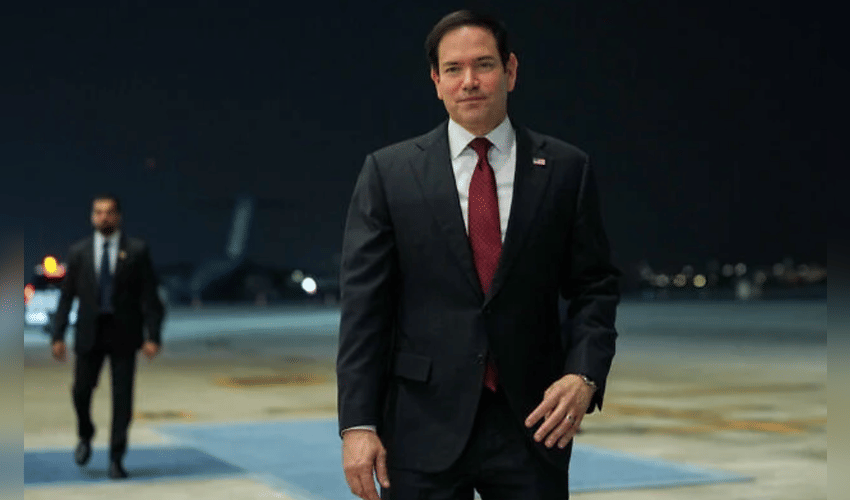

U.S. Secretary of State Marco Rubio has firmly rejected reports suggesting that Iran may impose tolls on ships passing through the Strait of Hormuz, calling the idea unacceptable and inconsistent with international maritime norms. Rubio’s remarks come at a time when diplomatic tensions between Washington and Tehran are already under strain due to ongoing disagreements over the broader framework of their recent understanding. The Strait of Hormuz, a critical global energy corridor, has once again become a focal point in the geopolitical standoff.
According to U.S. officials, any attempt to charge passage fees in the strategically vital waterway would disrupt global trade and threaten energy security. The Strait handles a significant portion of the world’s oil shipments, making it one of the most closely watched shipping routes internationally.
During his recent engagements with Gulf allies, Rubio reiterated that freedom of navigation must remain protected, stressing that international waters cannot be subject to unilateral tolls or restrictions. His comments were also aimed at reassuring key regional partners who depend heavily on stable energy exports through the strait.
The issue has added new pressure to already delicate U.S.-Iran relations. While both sides have signaled willingness to avoid direct escalation, unresolved disputes over security arrangements, sanctions relief, and regional influence continue to slow progress. Gulf countries have also expressed concern over any move that could give Iran greater control over maritime traffic in the region. Energy markets, meanwhile, are watching developments closely, as even minor disruptions in the Strait of Hormuz have historically triggered volatility in global oil prices.
Analysts say Rubio’s strong stance highlights Washington’s effort to maintain open sea lanes while managing diplomatic efforts with Tehran. However, with multiple points of friction still unresolved, the path toward a stable agreement remains uncertain. The dispute over Hormuz tolls underscores the fragility of ongoing negotiations and the high stakes involved in securing one of the world’s most important maritime routes.