



News
Khaleda Zia Buried Beside Her Husband as Bangladesh Bids Farewell to Former Prime Minister
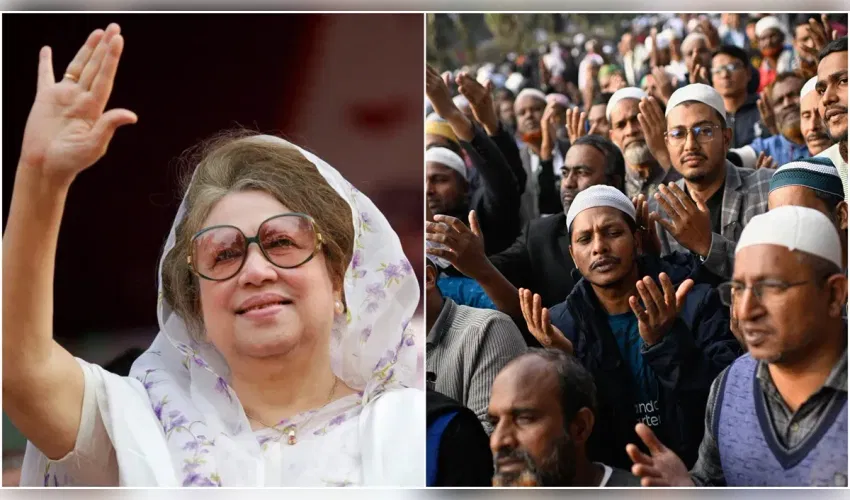

Bangladesh bid a solemn farewell to Khaleda Zia, former prime minister and long-time leader of the Bangladesh Nationalist Party (BNP), as her burial took place beside the grave of her late husband, President Ziaur Rahman, in Dhaka on Wednesday. The interment marked the end of a storied and often polarising political life that spanned decades and reshaped Bangladesh’s political landscape.
Thousands of mourners, party members, political allies and supporters gathered at the burial site to pay their last respects. Wrapped in grief and chants of remembrance, attendees witnessed the final rites as Zia was laid to rest next to the man who helped propel her into the nation’s highest office following his assassination in 1981.
Family members, including her son and acting BNP chairman Tarique Rahman, were visibly emotional as they stood by the grave. Senior BNP leaders described the moment as both personal and historical, symbolising the closing chapter of a political dynasty that has been central to Bangladesh’s rivalries, reforms and democratic struggles.
Political figures from across the spectrum offered condolences, though the event highlighted the deep divides that have characterised Bangladeshi politics for generations. President and Awami League leaders sent official condolences, signalling a formal respect while underscoring ongoing ideological contrasts between the nation’s two dominant political forces.
Khaleda Zia, 80, passed away after a prolonged illness that had kept her in medical care in Dhaka for weeks. She had long been a central figure in national politics, serving as prime minister for three terms in the 1990s and early 2000s. As Bangladesh’s first female prime minister, she broke gender barriers in South Asian politics, but her tenure was often overshadowed by intense rivalry with Prime Minister Sheikh Hasina, legal battles and allegations of corruption that her supporters said were politically motivated.
The decision to bury Zia beside her husband stirred reflections on the legacy of the Bangladesh Nationalist Party’s founding couple. Ziaur Rahman, a revered figure among many BNP loyalists, had appointed his wife to lead the party following his death. Together, they shaped a version of Bangladeshi nationalism that stood in contrast to the secular and socialist orientation of the Awami League.
Across Dhaka, members of civil society, students and ordinary citizens observed moments of silence or shared personal remembrances of Zia’s influence, even as political analysts weighed in on how her death may reshape party politics in the run-up to upcoming elections. The burial ceremony was preceded by state and party tributes, including solemn prayers and speeches honouring her decades of public service. Flags flew at half-mast in many BNP strongholds as supporters reflected on a life marked by resilience and controversy.
As Bangladesh moves forward, many observers say Zia’s passing and burial beside her husband will be remembered as a profound national moment one that underscores the enduring impact of political families and the complex intersections of personal loss and public legacy.
This Image is taken from IndiaTV.



