



Politics
Kejriwal Raises Questions Over E20 Fuel Policy, Set to Release Letters to Automakers
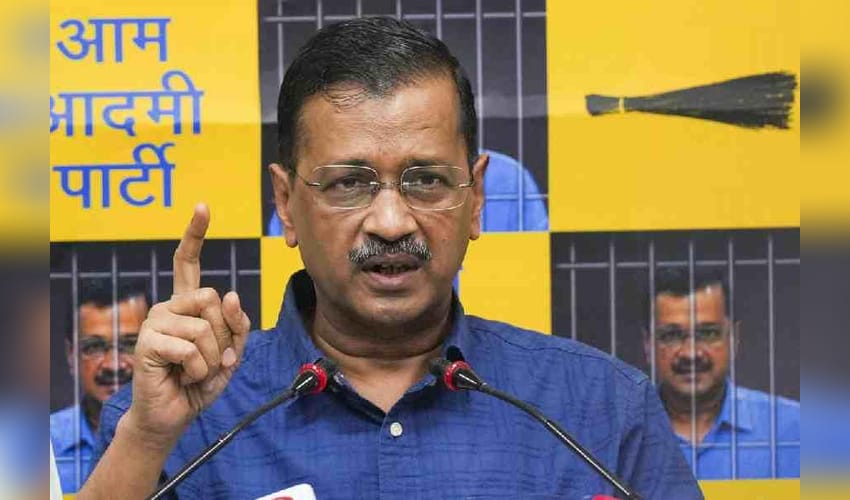

Arvind Kejriwal has intensified the debate surrounding India's E20 fuel rollout by announcing that he will release a series of letters addressed to leading automobile manufacturers, seeking greater transparency over the ethanol-blended fuel policy. The Aam Aadmi Party (AAP) chief said the letters are aimed at obtaining written assurances from vehicle makers regarding the long-term impact of E20 petrol on engines, fuel efficiency, and maintenance costs. His move comes amid growing public discussion over whether vehicles designed for lower ethanol blends can safely operate on E20 fuel without compromising performance or durability.
During a press conference, Kejriwal questioned what he described as conflicting messages from some automobile companies. He argued that while manufacturers have publicly stated that E20 fuel is safe for vehicles, certain owner manuals appear to advise caution or recommend lower ethanol blends for specific models. According to him, consumers deserve clear and consistent information before being expected to adopt the new fuel standard. He said he plans to write to major automakers, including Maruti Suzuki, Toyota Kirloskar Motor and Hero MotoCorp, asking them to provide written guarantees that E20 fuel will not reduce mileage or damage vehicle engines. He also questioned whether companies would compensate customers if such issues were to arise.The controversy has emerged at a time when the Central Government is accelerating its ethanol blending programme as part of a broader strategy to reduce dependence on imported crude oil, support domestic sugarcane farmers and lower carbon emissions. E20 fuel, which contains 20 percent ethanol blended with petrol, is considered a key component of India's clean energy transition. Government officials and industry representatives have repeatedly maintained that extensive testing has been conducted before implementing the policy and have asserted that the fuel is safe for compatible vehicles.
However, the nationwide rollout has also raised questions among many vehicle owners, particularly those driving older models that were originally designed for E10 or lower ethanol blends. Some motorists have expressed concerns over possible reductions in fuel economy, increased maintenance costs and long-term engine performance. These concerns have gained traction on social media, prompting calls for greater clarity from both policymakers and automobile manufacturers. While industry experts acknowledge that ethanol has a lower energy content than conventional petrol, they argue that the expected reduction in mileage is relatively small and does not indicate engine damage. Automakers have also stated that years of testing and servicing have not revealed widespread problems linked to the use of E20 fuel in existing vehicles.
Kejriwal has also urged the Centre to consider giving consumers a choice by making different fuel blends, such as E0, E10 and E20, available at petrol pumps instead of mandating a single standard nationwide. According to him, allowing motorists to choose the fuel most suitable for their vehicles would help address public concerns while ensuring greater transparency in the transition process. He has indicated that he will also write to Prime Minister Narendra Modi, requesting a review of the current implementation strategy and calling for greater public consultation before expanding the policy further.
The issue has now evolved beyond a technical discussion about fuel compatibility and has become a larger conversation about consumer rights, corporate accountability and policy transparency. As India continues its push toward cleaner and more sustainable fuels, experts believe that clear communication between the government, automobile manufacturers and consumers will play a crucial role in building public confidence. Whether the proposed letters lead to detailed responses from automakers or spark further debate, they have already brought renewed attention to the E20 fuel policy and the need for accessible, evidence-based information for millions of vehicle owners across the country.



