



World
Iran Threatens to Strike Any Vessel That Attempts to Transit the Strait of Hormuz After Declaring It Closed.
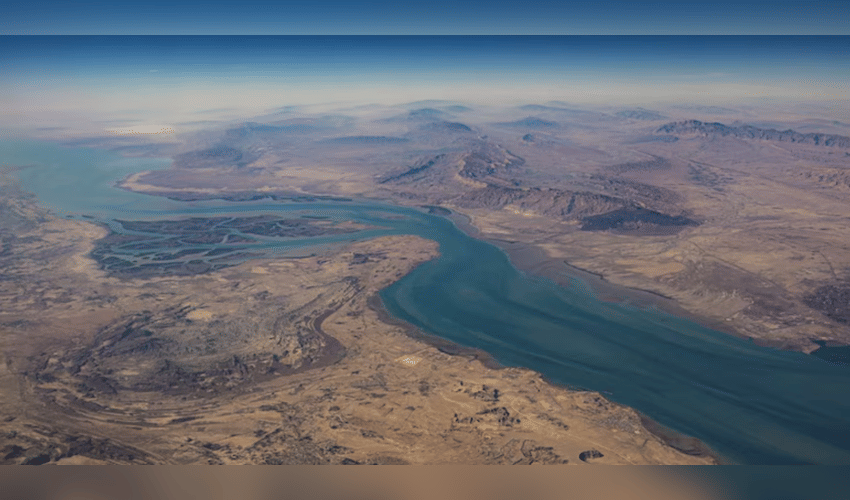

Iran has issued a stark warning to global shipping: any vessel attempting to pass through the Strait of Hormuz will face immediate attack. Tehran announced the closure of this critical waterway following a wave of retaliatory strikes, marking a dramatic escalation in Middle East conflicts.
The move comes after U.S. and Israeli airstrikes on February 28 targeted key Iranian facilities, with President Donald Trump calling on Iranians to challenge their regime. Iran responded swiftly, launching missiles at U.S. bases in Qatar, Kuwait, Bahrain, the UAE, Saudi Arabia, and Oman. Revolutionary Guards adviser Ebrahim Jabari declared via state media, "The Strait is closed. Our forces will set ablaze any ship that tries to pass."
The Strait of Hormuz, a narrow passage between Iran and Oman, handles roughly 20% of the world's oil supply from producers like Saudi Arabia and Iraq. A prolonged shutdown could send crude prices soaring past $100 per barrel, echoing the 1970s oil crisis but amplified by today's supply chain strains. India, reliant on Gulf imports, could see fuel costs and inflation spike sharply, much like recent Red Sea disruptions from Houthi actions.
This isn't uncharted territory. In the 1980s Tanker War, Iran and Iraq routinely targeted merchant ships, crippling trade for years. Today's tensions, fueled by the ongoing Gaza fallout, have already rattled markets—oil futures climbed 5% on the announcement. While Saudi pipelines offer some bypass options, their capacity falls short for full global demand. The U.S. may deploy carriers to the region, while China—buying most of Iran's oil—urges restraint. For now, shipping firms are halting transits, and energy traders brace for turbulence. As Jabari's threat lingers, the world holds its breath for diplomatic breakthroughs or further chaos.



