



World
Iran Parliament Approves Fee Plan for Ships Passing Through Strait of Hormuz
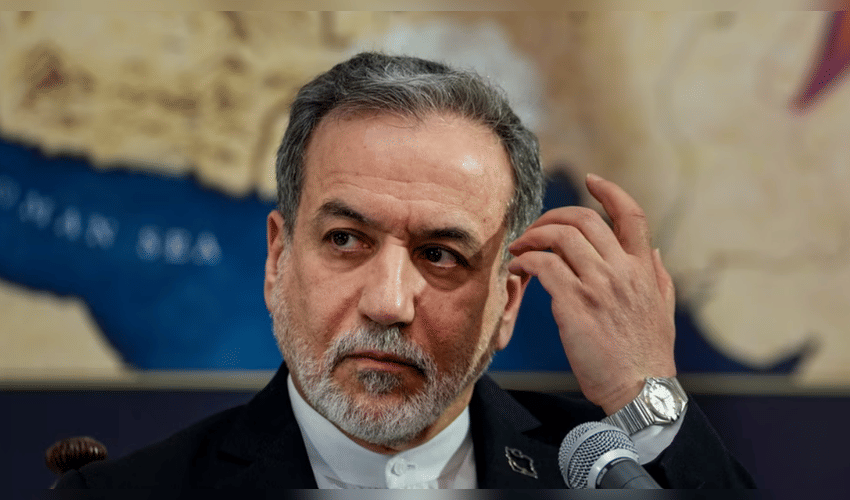

Iran’s parliament has approved a plan that would allow the country to impose fees on ships passing through the strategically important Strait of Hormuz, adding a new financial dimension to the growing tensions surrounding the vital waterway. The measure was approved as part of a proposed strategic plan dealing with the security and development of the Strait of Hormuz. Under the provision, vessels from countries permitted to transit the waterway could be charged for services provided by Iran.
The proposed fees would cover services such as navigation, environmental protection, maritime security, insurance and, under certain circumstances, fuel supplies. Payments could reportedly be made in Iranian currency or another currency specified by Tehran. Iranian officials have described the charges as payments for maritime services rather than a straightforward toll for crossing the strait. The proposal reflects Tehran’s position that countries bordering the waterway have an important role in maintaining its security and managing maritime activity.
The decision comes at a sensitive time for international shipping. The Strait of Hormuz connects the Persian Gulf with the Gulf of Oman and serves as a major route for oil and liquefied natural gas shipments from the Gulf region to international markets. Any additional cost or restriction on vessels using the route could therefore affect shipping companies, energy traders and global fuel prices.
The proposed fee system is also being considered against the backdrop of heightened tensions between Iran and the United States. Commercial traffic through the strait has already been disrupted, with shipping companies facing increased security concerns and uncertainty over access to the waterway.
The parliamentary approval does not mean that the new charges will immediately come into force. The proposed legislation still has to complete Iran’s remaining legal and constitutional procedures before it can become fully effective. Further details, including the level of fees and how they would be calculated, are also expected to become clearer as the process moves forward.
The development is likely to be closely watched by major oil-producing countries and international shipping companies. For economies that depend on Gulf energy exports, any increase in the cost or difficulty of transporting cargo through Hormuz could create additional pressure on already sensitive energy markets. The Strait of Hormuz has long been regarded as one of the world’s most important maritime chokepoints. Iran’s latest move could make control, security and access to the waterway an even bigger issue in the region’s ongoing geopolitical tensions.
Disclaimer: This image is taken from Hindustan Times.