



Economy
Iran Declares Strait of Hormuz "Fully Open" Amid Ceasefire, But IRGC Adds Strict New Shipping Rules
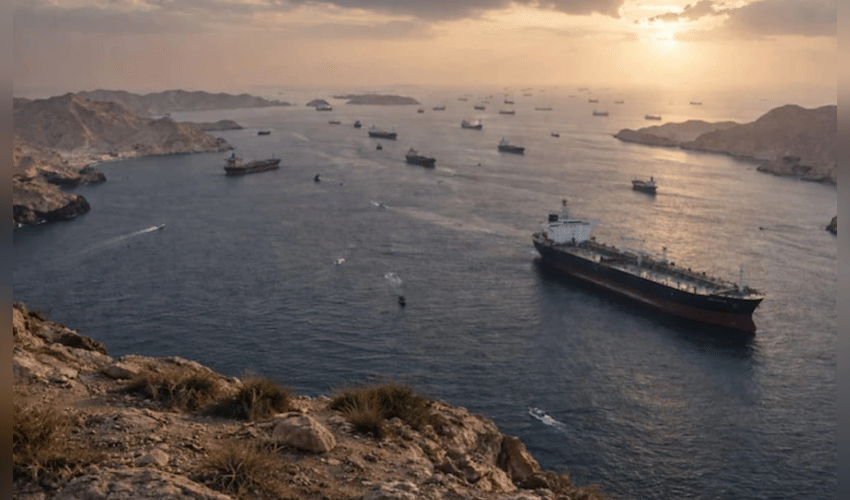

Iran's Foreign Minister Abbas Araghchi announced Friday that the Strait of Hormuz remains "completely open" to commercial shipping during the ongoing ceasefire, offering a brief sigh of relief to global energy markets battered by months of conflict. However, just hours later, the Islamic Revolutionary Guard Corps (IRGC) Navy issued a set of stringent conditions for passage, creating confusion and underscoring Tehran's dual messaging in the fragile truce with the US and Israel.
The IRGC's rules, broadcast via state media and patrol communications, mandate prior clearance for all vessels, adherence to Iranian-designated safe lanes, and a total ban on military ships—regardless of flag. Civilian carriers must also certify no links to "hostile nations" or prohibited cargoes, with patrols enforcing "no-fly zones" over mine-marked areas. Iranian outlets like Tasnim News labeled Araghchi's statement "incomplete," insisting the Guards hold ultimate authority over the waterway they call their "administrative domain." Shipping trackers confirm the impact: vessel traffic plunged despite the "open" claim, with at least one tanker reportedly turned away for paperwork issues. Industry sources told Reuters that insurers are hiking premiums, urging firms to seek IRGC permits days in advance.
The announcement follows US President Donald Trump's praise for Araghchi's overture, though he maintained the blockade on Iranian export terminals until a broader deal materializes. Iran countered that American restrictions must end first, with IRGC commanders warning of "reciprocal measures" if provoked. This comes amid the 2026 Strait crisis, where naval skirmishes halved oil flows earlier this year, spiking Brent crude above $100 per barrel.
Narrower than the English Channel at points, the Hormuz chokepoint handles one-fifth of global crude—roughly 21 million barrels daily from OPEC heavyweights—and 20% of liquefied natural gas. India, importing 85% of its oil via this route, saw fuel prices jump 15% during peak disruptions, hitting consumers from Delhi to Dubai. Historical parallels abound: the 2019 tanker seizures drove similar volatility. Analysts warn that if IRGC rules tighten, Saudi Arabia's East-West pipeline offers partial relief, but alternatives can't fully replace the strait.
Oil futures dipped 2% on the news but hover nervously around $92/barrel. Brokers advise caution: "Open doesn't mean seamless," one Gulf trader noted. As patrols intensify, the world watches whether this is de-escalation or a new control tactic. Updates from Tehran and Washington will be critical in the hours ahead.



