



World
Iran Claims F-15 Shot Down Near Hormuz Amid US Denial and Fact-Check Push
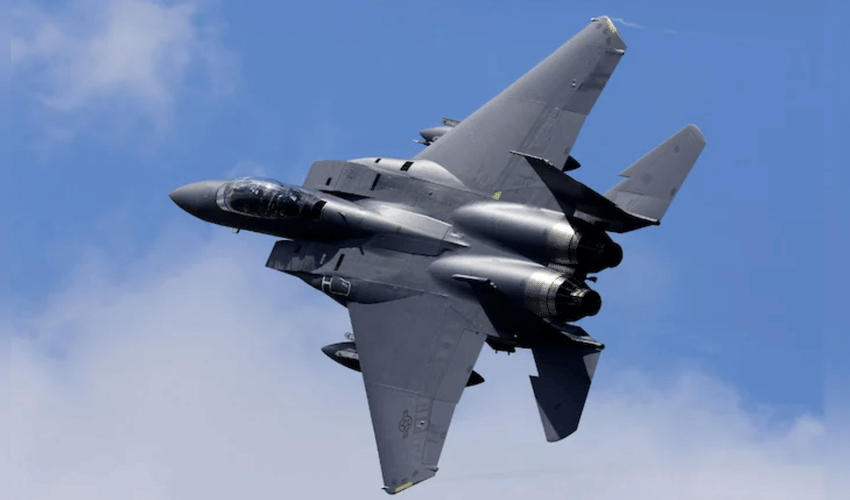

Iranian state‑linked outlets are claiming that the country's air defenses shot down a U.S. F‑15 fighter jet near Hormuz Island, but the United States has swiftly denied the report, calling it "false" and "baseless." The dispute has triggered fresh nervousness in global markets and underlined how tightly information and military narratives are intertwined in the current U.S.-Iran-Israel standoff.
Iran’s Army Air Defence Force and semi‑official media outlets, including Fars News and the Tehran Times, have circulated footage they say shows an F‑15 being tracked and engaged by surface‑to‑air missiles over the Strait of Hormuz region. According to these reports, the fighter jet entered what Tehran describes as Iranian airspace near Hormuz Island-a key chokepoint for global oil shipments—and was intercepted after an alleged airspace violation. Iranian diplomatic and media accounts have amplified the claim on social media, presenting the incident as a symbolic win against U.S. military presence in the Persian Gulf.
U.S. Central Command (CENTCOM) has directly pushed back, labeling the Iranian narrative a rumor and stressing that no American fighter aircraft have been shot down in the region. In a statement on X, CENTCOM noted that U.S. forces have flown more than 8,000 combat sorties during the ongoing campaign—Operation Epic Fury—without losing a single fighter jet. U.S. officials have also pointed out that the Iranian video does not clearly show an F‑15 being destroyed or even struck, and that the quality and context of the footage make it difficult to independently verify the alleged sequence of events.
Beyond the fate of one aircraft, the Hormuz‑F‑15 episode fits a pattern increasingly common in modern hybrid warfare, where information and perception are treated as strategic weapons. Iran’s release of video and bold claims appears aimed at projecting strength and deterrence, particularly as Washington has signaled it may use force to reopen the Strait of Hormuz if shipping is disrupted. At the same time, the U.S. rebuttal is designed to reassure allies and domestic audiences that its air power remains intact despite rising tensions. Analysts warn that such incidents raise the risk of miscalculation, as both sides rely heavily on social media and state‑linked outlets to shape the battlefield of public opinion.
The latest back‑and‑forth over the alleged F‑15 shoot‑down highlights how quickly unverified footage can turn into major headlines, especially around sensitive flashpoints like the Strait of Hormuz. For the international community, the takeaway is that claims about downed aircraft or missile “hits” should be treated as a mix of information, propaganda, and politics—until independent verification and clearer evidence emerge. As the broader conflict landscape grows more volatile, the line between a battlefield victory and a media narrative may be one of the most contested front‑lines in the weeks ahead.



