



Technology
Investors warn that AI-driven inflation could be the most underestimated risk of 2026.
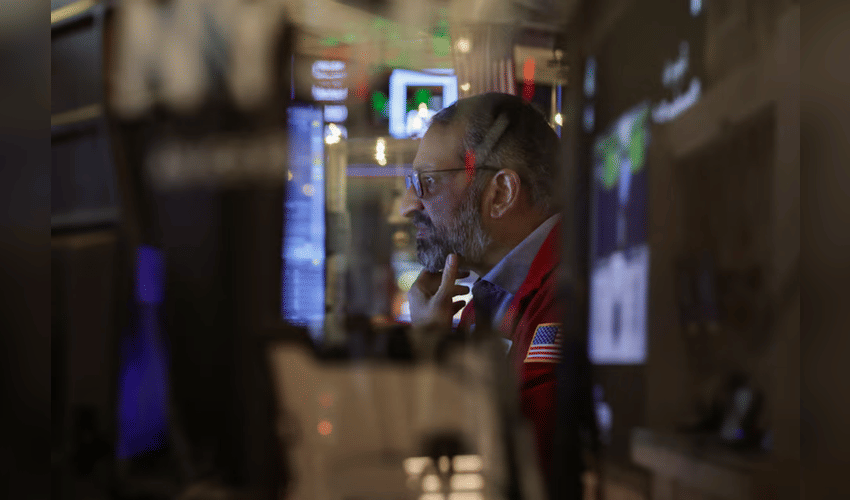

Global equity markets, which surged at the beginning of 2026 on optimism surrounding artificial intelligence, may be ignoring one of their greatest potential dangers: a renewed spike in inflation, partly fueled by massive technology investment. U.S. stock benchmarks climbed to record levels after strong gains in 2025, led largely by seven major technology firms that accounted for roughly half of total market earnings. Enthusiasm for AI and expectations of looser monetary policy also lifted European and Asian markets to historic highs. Bonds benefited as well, delivering U.S. Treasury investors their best yearly returns in five years as inflation cooled, though it still remained above the Federal Reserve’s 2 percent goal.
Looking ahead to 2026, governments in the U.S., Europe, and Japan are expected to inject substantial stimulus into their economies while the AI investment wave continues, supporting global growth. However, this has asset managers increasingly concerned that inflation will accelerate again, potentially forcing central banks to halt rate cuts or even begin tightening, which could drain momentum from AI-focused markets.
Royal London Asset Management’s multi-asset head Trevor Greetham said tighter financial conditions could be the catalyst that bursts the current market bubble. Although he remains invested in large technology companies for now, he expects global inflation to rise sharply by late 2026. Higher borrowing costs would weaken investor appetite for speculative technology stocks, increase financing expenses for AI projects, and compress company profits and share prices.
Analysts also warn that the multi-trillion-dollar buildout of data centers by firms such as Microsoft, Meta, and Alphabet is itself inflationary, driving up energy demand and chip prices. Morgan Stanley strategist Andrew Sheets said costs for both semiconductors and electricity continue to rise and predicted that U.S. inflation will remain above the Fed’s target until at least the end of 2027 due in part to heavy corporate spending on AI.
J.P. Morgan’s Fabio Bassi added that a stronger labor market, government stimulus, and earlier interest rate cuts are likely to keep inflation elevated regardless of chip prices. Aviva Investors similarly warned that central banks may soon stop cutting rates or even resume hiking as inflation pressures build from AI investment and fiscal expansion. Market anxiety has already surfaced. Oracle shares fell after revealing sharply higher spending, while Broadcom’s stock declined after forecasting pressure on profit margins. HP expects higher memory chip prices in 2026 to squeeze both prices and profits.
Several fund managers say inflation is the factor most likely to destabilize markets. Kevin Thozet of Carmignac described inflation as severely underestimated and has increased holdings in inflation-protected U.S. Treasuries, warning that higher interest rates would likely lower valuations of major AI stocks. Deutsche Bank estimates that global spending on AI data centers could reach four trillion dollars by 2030, creating bottlenecks in electricity and semiconductor supply that could further inflate costs. Asia Group partner George Chen said rising expenses and consumer inflation may eventually reduce investor enthusiasm for the AI sector as returns come under pressure.