



World
Intelligence Agencies Warn: ISI, Pakistan Army Grooming Second-Generation Terror Leaders
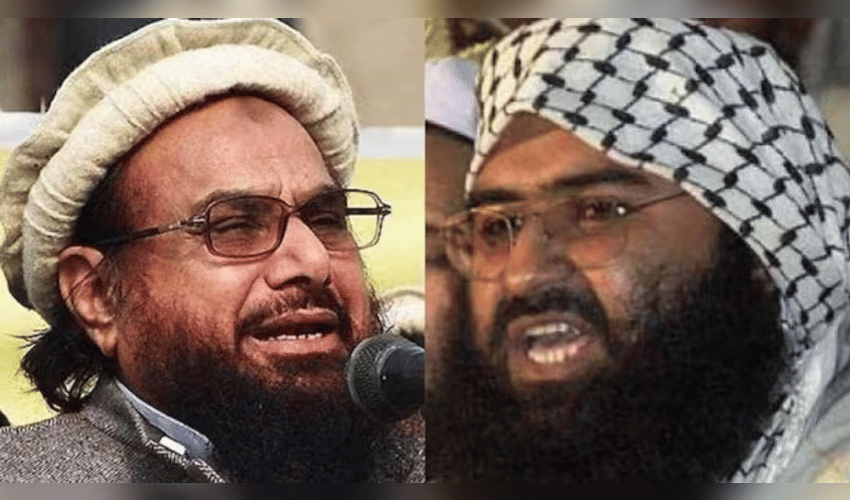

Indian intelligence agencies have sounded a serious warning over Pakistan’s Inter-Services Intelligence (ISI) and the Pakistan Army actively grooming a new generation of terrorist leaders to sustain and intensify cross-border terrorism against India, particularly in Jammu and Kashmir. According to security inputs, Islamabad has shifted focus from aging militant commanders to systematically preparing their sons and close relatives to assume leadership roles in major terror outfits. This succession strategy is aimed at ensuring continuity of Pakistan’s proxy war even as senior militant figures are neutralised or lose operational relevance.
Intelligence sources reveal that senior ISI and Pakistan Army officials have recently held closed-door meetings with emerging leaders of terror organisations such as Lashkar-e-Taiba (LeT) and Jaish-e-Mohammed (JeM). These meetings are believed to have taken place in Pakistan’s Punjab province, indicating direct institutional support to terror networks. Figures such as Talha Saeed, son of Lashkar founder Hafiz Saeed, and Abdul Rauf Asgar, brother of JeM chief Masood Azhar, are reportedly being groomed for expanded command roles. The next generation of terror leaders is undergoing ideological indoctrination, operational training, funding management, and logistics coordination to professionalise terror operations.
Agencies also warn that Pakistan is reviving dormant terror infrastructure. Lashkar training hubs and ideological centres, including facilities in Muridke, have reportedly been reactivated with fresh funding. Graduation ceremonies for newly trained militants are said to be planned, signalling readiness for deployment.
Infrastructure damaged during India’s counter-terror operations, including Operation Sindoor, has allegedly been rebuilt at a rapid pace, underscoring Pakistan’s intent to restore and strengthen terror launchpads along the Line of Control and the International Border.
Security officials believe this push for second-generation leadership reflects a calculated long-term strategy by the ISI and Pakistan Army to institutionalise terrorism as a tool of state policy. By embedding leadership succession within terror groups, Pakistan is attempting to shield its proxy networks from setbacks and international pressure. Indian security forces remain on high alert and are closely monitoring developments across the border. Intelligence agencies stress that the grooming of second-generation terror commanders poses a serious threat to regional peace and stability, reaffirming concerns over Pakistan’s continued support for cross-border terrorism despite repeated global warnings.
This image is taken from india today.



