



World
India Warns UNSC of Ukraine War's Food Crisis, Recalls 1943 Bengal Famine
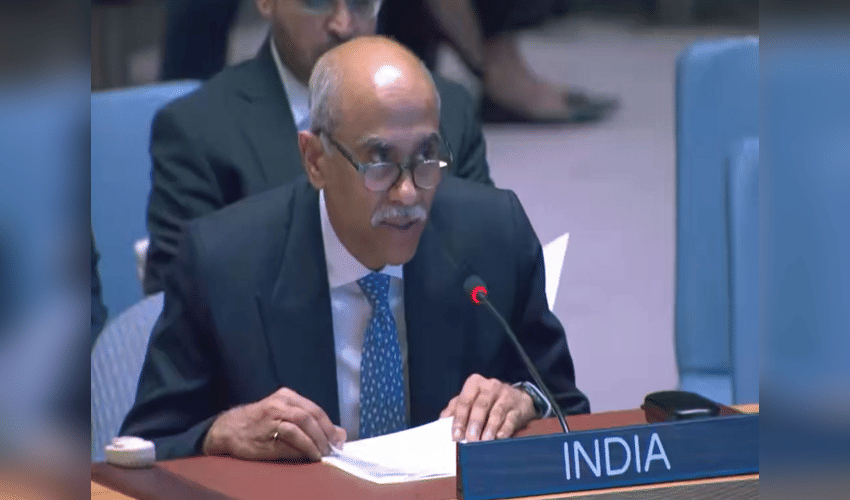

India has warned the United Nations Security Council (UNSC) that disruptions to global food supplies caused by the ongoing Ukraine conflict could have serious humanitarian consequences, particularly for countries in the Global South. Drawing a comparison with the devastating Bengal famine of 1943, which killed more than three million people, India highlighted how conflicts can cause widespread suffering far beyond the regions directly involved.
Addressing the Security Council on Monday during a session titled Protecting Critical Energy Infrastructure and Black Sea Lifelines of Global Food Supply, India's Permanent Representative to the UN, P. Harish, said that Russia and Ukraine play a crucial role in global food security. He warned that interruptions to agricultural production, maritime transport and international trade could affect millions of people worldwide.
Recalling the Bengal famine, Harish said the tragedy demonstrated the devastating human consequences of wartime decisions and priorities. He noted that, during the Second World War, people who had no role in starting the conflict became victims of its wider consequences. Referring to Prime Minister Narendra Modi's statement that this is not an era of war, Harish stressed that peace must have a practical meaning for vulnerable populations. He said that, for the Global South, peace is meaningful when people have access to food and their basic needs are met.
The Indian envoy also highlighted concerns raised by World Food Programme Executive Director Luke Lindberg, who warned that approximately 10 million tonnes of Russian and Ukrainian wheat remained stranded amid the escalating conflict. The quantity could potentially feed around 44 million people. Lindberg further warned that Somalia faced the risk of famine, while Yemen was confronting a serious food security challenge due to its dependence on imports for nearly 90 per cent of its food requirements.
Harish said developing countries were bearing a disproportionate share of the consequences of international conflicts, particularly through rising food, fuel and fertiliser costs. He emphasised that threats to agricultural supplies and energy security were adding to the economic difficulties already faced by vulnerable nations. UN Under-Secretary-General Rosemary DiCarlo also expressed concern over the wider consequences of the Ukraine conflict. She warned that hostilities in the Black Sea, including drone attacks threatening civilian shipping, were disrupting grain exports and other essential food supplies destined for countries in need.
Calling for stronger international action, Harish urged the Security Council to ensure humanitarian access, protect civilian infrastructure and maintain freedom of navigation so that essential supplies could move safely through international shipping routes. He also highlighted the importance of the Black Sea region and India in sustaining global food supplies, noting that their combined cereal production accounts for nearly one-fifth of the world's total. He said India's support for protecting Black Sea shipping routes was rooted in the recognition that both regions play a significant role in feeding the world.
Disclaimer: This image is taken from ANI.