



News
India's Nuclear Arsenal Expands as Strategic Gap With Pakistan Widens: SIPRI
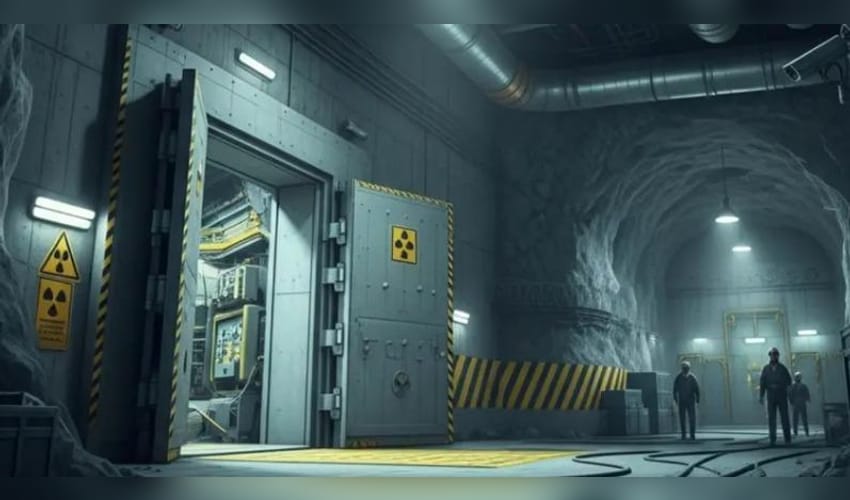

India has further strengthened its position among the world's nuclear-armed states, with a new assessment indicating that its estimated nuclear arsenal has grown to around 190 warheads, widening the gap with neighboring Pakistan.
The estimate comes from the Stockholm International Peace Research Institute (SIPRI), one of the world's leading organizations tracking global military capabilities and arms trends. According to the assessment, India's nuclear inventory has continued to expand alongside ongoing modernization efforts involving missile systems, delivery platforms, and strategic infrastructure.
The development reflects India's broader focus on enhancing its deterrence capabilities amid an evolving security environment. Analysts note that New Delhi's nuclear planning is influenced not only by regional considerations involving Pakistan but also by its long-term strategic competition with China.
India has invested heavily in strengthening what is commonly described as a nuclear triad—the ability to launch nuclear weapons from land-based missiles, aircraft, and sea-based platforms. Supporters argue that a diversified deterrent enhances strategic stability and improves second-strike capability.
The reported increase also highlights changing dynamics in South Asia's strategic landscape. While both India and Pakistan maintain nuclear deterrence policies, India's larger economy, expanding technological base, and growing defense budget have enabled more sustained modernization programs.
Security experts observe that nuclear stockpile numbers alone do not determine strategic balance. Factors such as delivery systems, command-and-control structures, survivability, and operational readiness are equally important in assessing deterrence capabilities.
The latest assessment arrives at a time when global nuclear arsenals are once again attracting attention. SIPRI and other research organizations have warned that major powers are increasingly investing in modernization programs, raising concerns about a renewed era of strategic competition.
For South Asia, the findings underscore the continuing importance of deterrence and crisis management mechanisms. Periodic tensions between India and Pakistan have reinforced the need for communication channels and measures aimed at reducing the risk of miscalculation.
India has consistently maintained that its nuclear doctrine is centered on credible minimum deterrence and responsible stewardship of strategic capabilities. Meanwhile, policymakers continue to monitor regional developments as security challenges evolve across Asia.
The SIPRI assessment suggests that India's long-term modernization trajectory remains intact, reinforcing its status as a major strategic power while reshaping discussions about the future balance of nuclear capabilities in South Asia.
Disclaimer: This image is taken from Firstpost.



