



Military
India Moves to Replace Russian Avionics in Su-30MKI and MiG-29
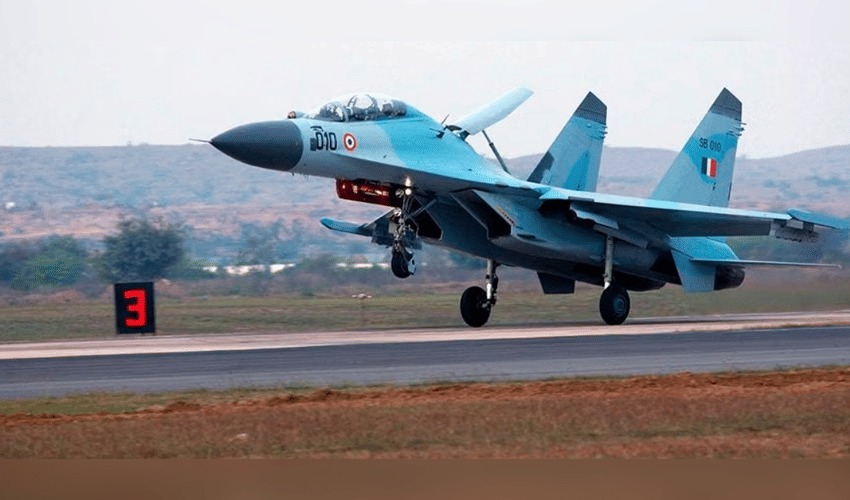

India is moving ahead with efforts to reduce its dependence on Russian-origin avionics used in its fighter aircraft, with the Su-30MKI and MiG-29 fleets emerging as key areas of indigenisation. The move is part of the country's broader push to strengthen domestic defence manufacturing and ensure greater control over critical technologies used by the Indian Air Force. The Indian Air Force has already initiated steps towards developing indigenous avionics for its MiG-29 fleet. An official Ministry of Defence procurement notice issued in June 2026 invited Indian companies to participate in the indigenous development of avionics aggregates for the aircraft. The initiative is expected to help India gradually reduce its dependence on imported systems and improve the availability of critical components for the ageing fighter fleet.
The development comes as India continues to operate a large number of Russian-origin combat aircraft. While the MiG-29 and Su-30MKI have undergone several upgrades over the years, a significant portion of their original technology and systems has its roots in Russian designs. Replacing selected avionics with Indian-developed alternatives could give the IAF greater flexibility in maintaining and upgrading the aircraft.
The Su-30MKI is expected to see a much more extensive transformation under India's planned Super Sukhoi modernisation programme. The upgrade is aimed at giving the fighter new-generation sensors, avionics, electronic warfare capabilities and weapons while retaining its existing airframe. The programme is expected to significantly increase the indigenous content of the aircraft.
One of the most important elements of the Su-30MKI upgrade is the planned integration of an Indian-developed active electronically scanned array, or AESA, radar. The new radar, along with upgraded mission computers and other indigenous systems, is expected to improve the fighter's ability to detect and track targets and operate modern weapons. The proposed changes could also make the Su-30MKI easier to integrate with India's growing range of indigenous weapons. The aircraft has already demonstrated its ability to operate Indian systems, most notably through the integration of the BrahMos supersonic cruise missile. A greater degree of indigenous avionics could allow further weapons and sensors to be integrated with fewer restrictions.
For India, the push is also about reducing risks associated with foreign supply chains. Dependence on overseas suppliers for specialised electronic components can create difficulties when equipment becomes obsolete or when replacement parts are affected by supply disruptions. Developing domestic alternatives would allow Indian defence organisations and private companies to have greater control over production, maintenance and future upgrades.
The effort does not mean that Russian technology will disappear from these aircraft immediately. Some systems are deeply integrated into the original aircraft architecture and replacing them requires extensive engineering, testing and certification. In the case of the Su-30MKI, certain legacy systems may continue to rely on Russian technology even as other components are progressively replaced with Indian alternatives.
India's approach is therefore expected to be gradual rather than an overnight replacement of all Russian equipment. The objective is to retain proven aircraft platforms while progressively replacing ageing or foreign-dependent systems with technologies developed by Indian defence laboratories and industry. The move also reflects the changing nature of India's defence modernisation strategy. Instead of relying solely on new aircraft purchases, India is increasingly looking at extending the operational life of existing platforms through indigenous upgrades. This approach could allow the IAF to keep important aircraft such as the Su-30MKI in service for longer while simultaneously improving their combat capabilities.
The MiG-29 programme is similarly important because the aircraft has been in Indian service for several decades. Indigenous avionics development could help address the challenges associated with maintaining an ageing fleet and reduce the need to source certain specialised components from abroad. If the ongoing programmes are successfully developed and deployed, India could gradually gain greater technological control over two of its major Russian-origin fighter fleets. For the IAF, the long-term benefit would extend beyond reducing imports, as locally developed avionics could provide greater freedom to introduce new sensors, weapons and software upgrades in response to changing operational requirements.
The development marks another step in India's effort to build a more self-reliant defence ecosystem. While replacing all Russian-origin avionics will be technically complex and could take years, the increasing focus on indigenous systems indicates that India is seeking to move from being primarily an operator of foreign-designed platforms to becoming a country capable of independently upgrading and sustaining them.