



World
India Hits Highest Alert Level After Deadly US Strike Kills 3 Indian Seafarers in Gulf Waters.
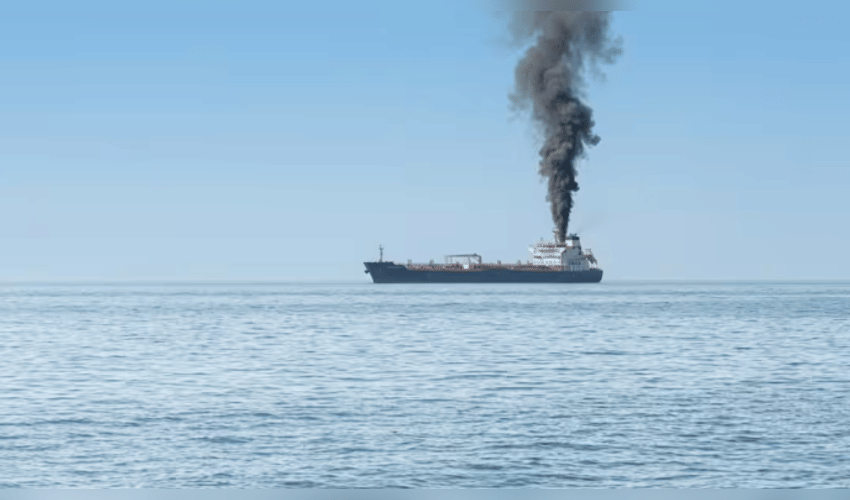

India's government has scrambled to its highest alert status following a tragic incident that killed three Indian sailors in the Gulf of Oman, with officials now closely monitoring the volatile Strait of Hormuz region. The Ports, Shipping and Waterways Ministry announced Thursday that all maritime agencies must maintain "heightened readiness to respond" to any emergency involving Indian crews or shipping interests. This sudden escalation comes after what authorities confirmed was a US military strike on vessels carrying Indian crew members, marking the third such incident this week alone.
The emotional toll hit home when the ministry acknowledged that while most crew members were successfully rescued from the three attacked ships, the three seafarers who lost their lives represent a heartbreaking reality for India's maritime workforce. Approximately 778 Indian nationals are currently working aboard 28 vessels navigating the dangerous waters around the Strait of Hormuz, according to government officials tracking the situation. The Directorate General of Shipping has issued urgent advisories urging all Indian-flagged vessels and seafarers transiting conflict zones to exercise maximum caution and vigilance.
What's particularly concerning is the strategic importance of this region, where the Indian Navy has been running Operation Sankalp to protect India-bound cargo ships since tensions began escalating. Naval warships positioned off Oman's coast maintain constant surveillance on merchant vessels heading toward India, including two crucial LPG tankers owned by the Shipping Corporation of India. The navy's intelligence has identified a "structured and rapidly evolving threat landscape" across the Persian Gulf, with the security threshold remaining critically dangerous despite ongoing protective measures.
The situation takes on added complexity given India's delicate diplomatic position, as the US strikes appear to target Iranian-linked vessels while Indian crews operate aboard both Indian and foreign-flagged ships. Officials are coordinating closely with maritime administrations from friendly nations and shipping companies to ensure comprehensive support for affected seafarers. Recent security incidents involving merchant vessels have underscored what the government calls "increasing risks faced by commercial shipping," prompting agencies to maintain military-grade preparedness for any contingency.
For Indian families with loved ones working in Gulf waters, the message from authorities is clear but sobering: remain cautious, stay alert, and trust that the government is actively monitoring every vessel for safety. The ministry's statement emphasizes that all concerned agencies have been ordered to maintain contingency readiness, suggesting preparations for potential evacuation, rescue operations, or diplomatic intervention if needed. As tensions continue simmering in West Asia, India's maritime security appears poised at a critical juncture where one wrong move could trigger wider regional consequences.



