



World
Gujarat student trapped in Russian military appeals for help from Ukraine.
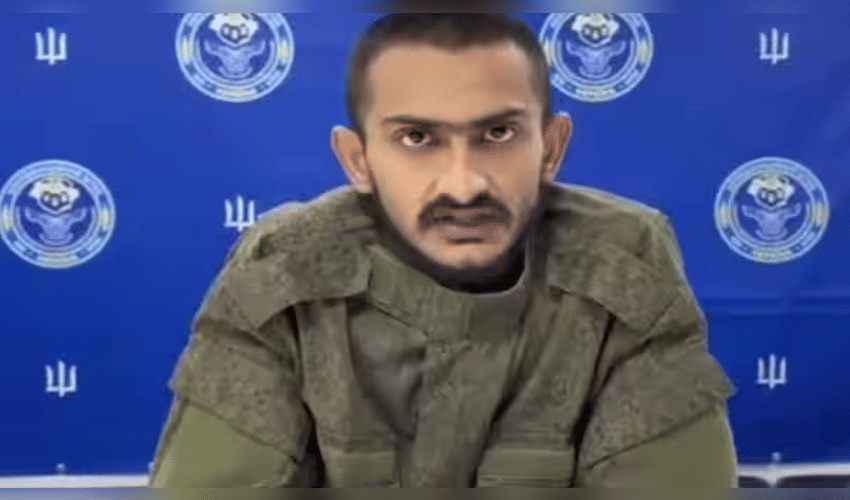

A chilling video has emerged from the Ukraine frontline, showing a young man from Gujarat pleading for India’s help after allegedly being forced into the Russian army, highlighting the dangers that sometimes ensnare Indian students abroad. Sahil Mohammad Hussain, 23, from Morbi district, had arrived in Russia in 2024 on a student visa, hoping to pursue higher education. To support himself, he worked part-time at a courier company, but his life took a dark turn when Russian authorities accused him of a fabricated drug offense. Confronted with the prospect of imprisonment, he was offered a grim choice: join the military or remain in jail. After only 15 days of training, Sahil was sent directly into the heart of the Ukraine conflict.
Upon reaching the frontlines, Sahil surrendered to Ukrainian forces, seeing captivity as a better fate than fighting in a war he did not choose. In a raw video recorded by his captors, wearing an olive-green jacket, he appeals directly to Prime Minister Narendra Modi, saying, "Please save me." The video, shared with his mother, quickly went viral, serving as a warning to other Indians not to travel to Russia, where fake drug cases have allegedly trapped hundreds like him.
Sahil’s ordeal reflects a troubling pattern. At least 50 Indians are reportedly stuck in Russian forces, with families protesting for their release. Tragically, others, such as Uttarakhand’s Rakesh Kumar and Rajasthan’s Ajay Godara—also student visa holders—died in combat, their bodies recently repatriated. Many young Indians are lured by promises of education or employment abroad, only to face forced military conscription, particularly targeting students from states like Gujarat and Uttar Pradesh.
Sahil’s mother has filed a petition in Delhi court, with a hearing scheduled for February, seeking diplomatic intervention during President Putin’s recent visit to India. On December 5, Foreign Secretary Vikram Misri confirmed ongoing talks aimed at securing the release of Indian students and cautioned citizens against Russian military contracts. This alarming episode serves as a stark reminder of the risks of overseas opportunities and the need for thorough verification to avoid such life-threatening traps.



