



News
"For Tibet": Tibetan Exile's Final Message Before Self-Immolation Outside UN Office
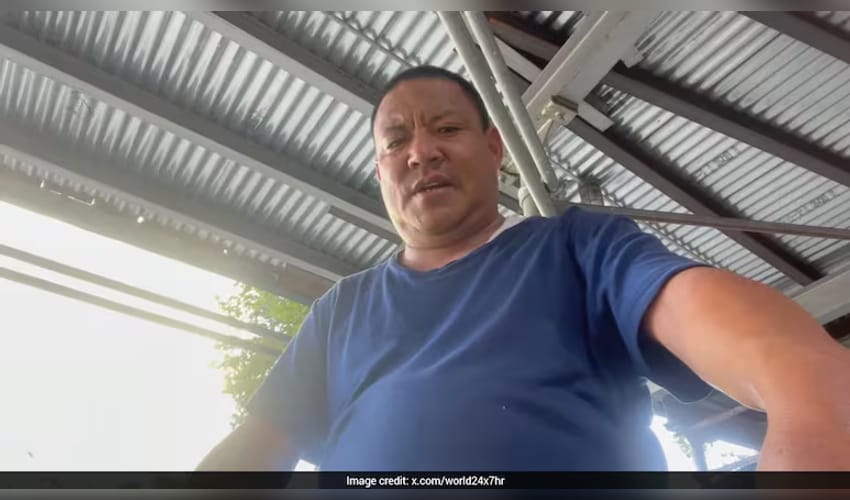

A Tibetan exile died after setting himself on fire outside a United Nations office in an act intended to draw international attention to the Tibetan cause. Before carrying out the self-immolation, he reportedly left a brief but powerful message: "For Tibet." The incident has once again placed the spotlight on the deep frustrations felt by many Tibetans in exile and renewed calls for greater international attention to the human rights situation in Tibet.
The protest took place outside a UN facility, where witnesses reported seeing the man engulfed in flames before emergency responders rushed to the scene. Despite efforts to save him, he later succumbed to his injuries. Authorities have launched an investigation into the incident while confirming that there is no indication that anyone else was involved.
The final message left by the protester has resonated across Tibetan exile communities, many of whom described his action as an expression of profound despair over what they view as the continued erosion of Tibetan identity, culture, and religious freedoms under Chinese rule. Community leaders emphasized that while they mourn the loss of life, the underlying concerns that motivated the protest remain unresolved.
A Symbolic Form of Protest
Self-immolation has, for years, been one of the most dramatic and controversial forms of protest associated with the Tibetan movement. Since 2009, more than 150 Tibetans are reported by advocacy groups to have self-immolated in Tibet and in exile, with many leaving messages calling for freedom, the return of the Dalai Lama, or the protection of Tibetan culture.
Supporters describe such acts as desperate appeals for international attention, while human rights organizations have urged governments and global institutions to address the grievances that fuel such extreme forms of protest. At the same time, many Tibetan leaders have consistently expressed sorrow over the loss of life and encouraged peaceful methods of advocacy.
Longstanding Concerns Over Tibet
Tibet has remained one of the world's most sensitive geopolitical and human rights issues since China established control over the region in the 1950s. Beijing maintains that Tibet is an integral part of China and says its policies have improved economic development, infrastructure, healthcare, and education while combating separatism and extremism.
However, Tibetan exile groups, international human rights organizations, and several governments have raised concerns about restrictions on religious practice, limitations on cultural and linguistic expression, surveillance, arbitrary detention, and constraints on freedom of expression. China rejects many of these allegations, arguing that its policies are necessary to maintain stability and national unity.
The Role of the Tibetan Exile Community
The Tibetan diaspora, led spiritually by the Dalai Lama, has spent decades advocating for greater autonomy, preservation of Tibetan culture, and protection of human rights through peaceful means. The Central Tibetan Administration, based in India, has consistently promoted dialogue and non-violent engagement while seeking international support for the Tibetan cause.
Many members of the exile community argue that global attention to Tibet has diminished in recent years as international priorities have shifted toward broader geopolitical and economic issues involving China. The latest self-immolation has therefore renewed calls for governments and international organizations to revisit concerns over religious freedom, cultural preservation, and human rights in the Himalayan region.
Calls for International Attention
Following the incident, Tibetan advocacy organizations urged the United Nations and member states to pay closer attention to conditions inside Tibet and to engage more actively on issues relating to human rights and cultural preservation. Human rights groups also called for an impartial assessment of the circumstances that continue to drive such acts of desperation.
The tragedy serves as a stark reminder of the emotional and political weight the Tibet issue continues to carry for many members of the Tibetan community. While opinions differ on the methods of protest, the incident has once again highlighted the enduring challenges surrounding one of Asia's longest-running and most sensitive political disputes.
As investigations into the incident continue, the protester's final words "For Tibet" have become a poignant symbol for supporters of the Tibetan cause, reflecting both enduring hope and profound anguish over the future of their homeland.
Disclaimer : This image is taken from NDTV.



