



World
Did a phone call from Netanyahu to JD Vance alter the outcome of US-Iran talks? Here's a summary of what is known.
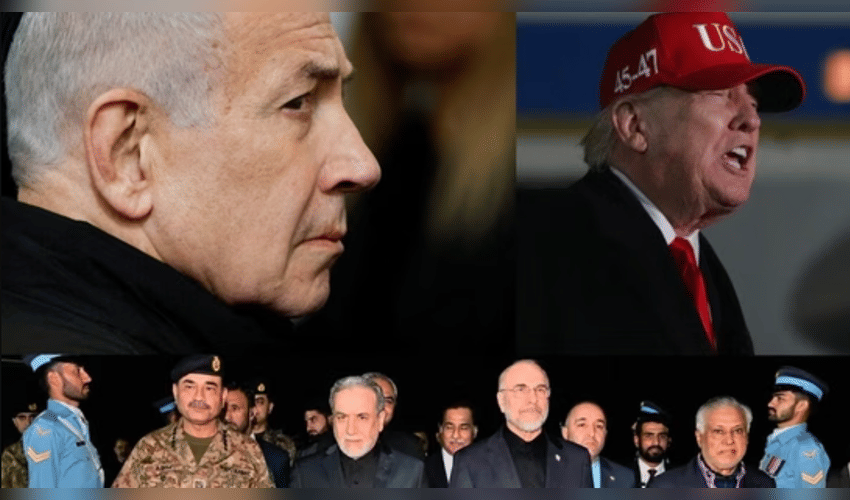

In the high‑stakes world of nuclear diplomacy, a single phone call can be the difference between a breakthrough and a breakdown. Now, a tense exchange between Israeli Prime Minister Benjamin Netanyahu and US Vice President JD Vance is emerging as a central plot point in the unraveling of the latest US–Iran indirect talks hosted in Islamabad.
The talks, held under the watchful eye of Pakistan’s government, were meant to test whether war‑weary Washington and battered Tehran could find a formula to end the conflict and manage Iran’s nuclear ambitions. The discussions focused on halting Iran’s uranium enrichment and securing freedom of navigation through the Gulf. But no deal was reached, and blame‑blaming has since taken center stage.
Iranian Foreign Minister Seyed Abbas Araghchi has publicly accused Netanyahu of intervening mid‑talks through a call to Vance. In his account, that conversation shifted the negotiations away from a bilateral US–Iran formula and toward Israel’s security and regional calculations. Araghchi suggested the US was trying to achieve through diplomacy what it had not managed via war, and that Israeli influence pulled Washington away from compromise.
Netanyahu’s office has not denied the call, characterizing it as routine coordination between allies. Israeli sources emphasize that Washington and Tel Aviv are tightly aligned on the Iran dossier, with Vance serving as the main channel for shuttling between Gulf allies, European partners, and Israeli leadership. The US seeks to balance the desire for a negotiated end to the war with the hardline position that Iran must never cross the nuclear threshold.
Experts caution that the impasse predates the phone call. The main obstacles—trust erosion after Israeli‑US strikes on Iranian sites, Iran’s war‑time humiliation, and US insistence on “no nuclear weapons, no exceptions”—were structural. The call may have crystallized these tensions rather than created them. From Tehran’s view, the call symbolized a level playing field that never existed. In a region where every gesture is a signal, the optics of Israeli influence mid‑talks fed a long‑standing suspicion that Washington cannot truly negotiate with Iran while taking cues from Jerusalem. Vance’s reported rebuke of Netanyahu over overconfident assumptions about Iran’s collapse underscores friction in the alliance, even as both share an end goal.
The episode suggests that the next round of talks will demand even sharper optics. Iran may insist on stricter distancing between Washington and Jerusalem, while the US will struggle to decouple without jeopardizing its regional strategy. The call’s legacy may be less about changing history than confirming perceptions: that diplomacy here is a theater where trust is thin, and every move is a statement.



