



News
Delhi Approves EV Policy 2026, Excludes Hybrids as Capital Doubles Down on Electric Mobility
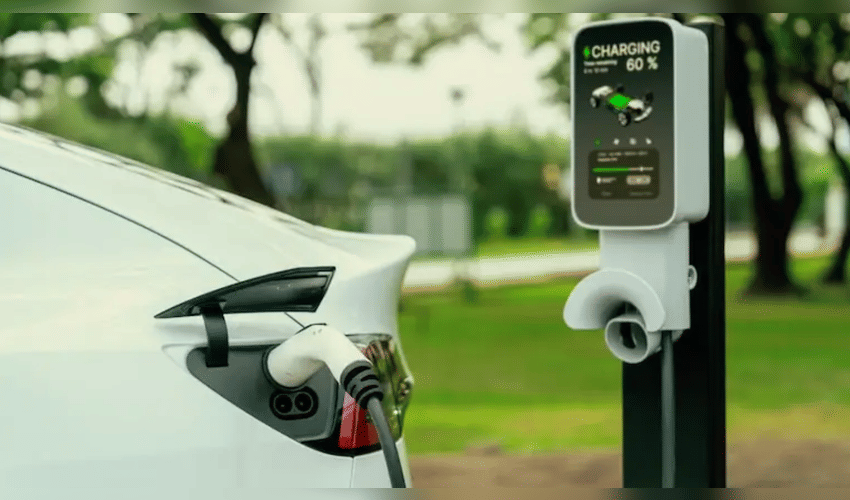

The Delhi government has approved its much-anticipated Electric Vehicle (EV) Policy 2026, signaling a stronger commitment to zero-emission transportation and making it clear that hybrid vehicles will not receive incentives under the new framework. The policy is set to take effect from July 1 and will remain in force until 2030, with the aim of accelerating the city's transition toward a cleaner and more sustainable transport ecosystem.
The decision marks a significant shift in Delhi's mobility strategy. While hybrid vehicles were reportedly considered during policy discussions, the government ultimately chose to focus its support exclusively on fully electric vehicles. Officials believe that prioritizing pure EVs will help reduce vehicular emissions more effectively and contribute to long-term air quality improvements in the national capital.
Under the new policy, Delhi plans to expand EV adoption across multiple vehicle categories. One of the key provisions states that only electric auto-rickshaws will be eligible for new registrations from 2027. Additionally, registrations of new petrol and CNG-powered two-wheelers are expected to be phased out from 2028, further strengthening the city's push toward electric transportation.
To encourage residents to make the switch, the policy includes a range of incentives for EV buyers. Reports indicate that electric cars priced below a specified threshold will receive tax benefits, while owners scrapping older vehicles could qualify for incentives of up to ₹1 lakh when purchasing an electric replacement. The government is also expected to support charging infrastructure expansion and other initiatives aimed at making EV ownership more convenient.
The policy is backed by a substantial financial commitment, with the Delhi government planning to invest around ₹15,000 crore over the coming years to support green mobility initiatives. The investment is expected to cover charging networks, public transport electrification, consumer incentives, and ecosystem development.
Delhi's latest move comes amid ongoing concerns over air pollution, a challenge that has consistently placed the city among the world's most polluted urban centers. Policymakers argue that reducing dependence on fossil-fuel-powered vehicles is essential for improving air quality and lowering carbon emissions. By encouraging a rapid transition to electric mobility, the government hopes to create a cleaner transportation network while also supporting India's broader climate and sustainability goals.
Industry observers say the exclusion of hybrid vehicles sends a strong signal to automakers about the direction of future policy. Manufacturers with significant investments in electric vehicle technology are likely to benefit from the government's EV-first approach, while companies focusing on hybrid models may need to reassess their strategies in one of India's most important automotive markets.
With ambitious targets, financial incentives, and a clear preference for battery-electric vehicles, Delhi's EV Policy 2026 represents one of the most aggressive urban mobility transitions attempted in India so far. The success of the initiative, however, will depend on how quickly charging infrastructure expands and whether consumers embrace electric vehicles at the scale policymakers envision.