



World
China-Iran Missile Pact Nears: Carrier-Killer Weapons Spark U.S. Alarm in Gulf Standoff
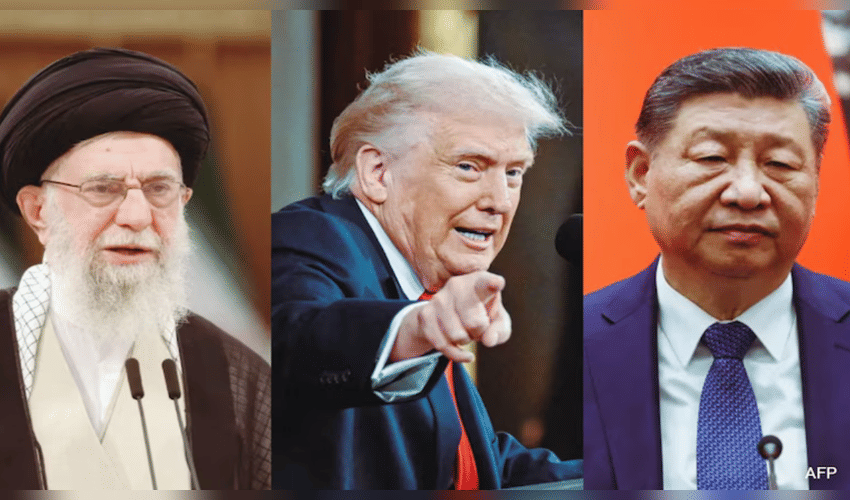

Tensions in the Middle East are heating up as reports emerge of Iran finalizing a high-stakes missile purchase from China—supersonic weapons specifically designed to take down massive U.S. aircraft carriers. This potential deal comes at a precarious moment, with American naval forces bolstering their presence in the region amid stalled nuclear talks and fresh threats of military action.
Sources close to the matter reveal that after two years of quiet discussions, Iran is in the final stages of acquiring China's advanced CM-302 anti-ship cruise missiles. These aren't your run-of-the-mill weapons; they boast a 290-kilometer range, hug the sea surface at supersonic speeds to evade radar, and can launch from ships, aircraft, or mobile ground platforms. It's a versatile system that could also strike land targets, giving Tehran a much-needed boost after its arsenal took hits during last summer's brief war with Israel. The timing couldn't be more pointed. With the U.S. deploying a second carrier group—including powerhouses like the USS Gerald R. Ford—to the area, Iran appears to be shopping for deterrence that matches the threat.
What makes the CM-302 so formidable? Military analysts describe it as a "carrier killer" because its low-altitude flight path and blistering speed make interception a nightmare for even top-tier defenses like the U.S. Navy's Aegis system. Imagine a scenario in the Strait of Hormuz, where 20% of the world's oil transits daily: these missiles could force carrier groups to rethink their positioning, much like how Russian hypersonics have complicated NATO operations in the Black Sea. Iran isn't stopping there. The package might include man-portable air defenses, anti-ballistic missiles, and even anti-satellite capabilities, signaling a broader military modernization push.
This move underscores China's growing willingness to challenge U.S. dominance, ignoring UN arms restrictions reinstated after the collapse of the old Iran nuclear deal. Beijing, which supplied Iran with weapons back in the 1980s, has ramped up ties with Tehran and Russia—joint naval exercises are just the start—despite U.S. sanctions on Chinese firms for missile components. For President Trump's administration, already facing a ticking clock on Iran nukes, this adds fuel to an already volatile mix. Closing the Strait remains a favorite Iranian bargaining chip, and these missiles could embolden such rhetoric.
No firm delivery timeline has been confirmed, and China could hit pause if conflict erupts. Still, the deal's mere existence sows uncertainty among U.S. strategists, handing Iran a psychological edge without a single shot fired. As carriers converge, this story exemplifies how modern arms races—now laced with hypersonic tech—mirror Cold War rivalries, but with far higher stakes in a multipolar world. Developments here could reshape Gulf security for years. Stay tuned for updates on this fluid situation.
Disclaimer: This image is taken from NDTV.



