



News
China Condemns US Unilateral Restrictions, Calls for Fair Global Competition
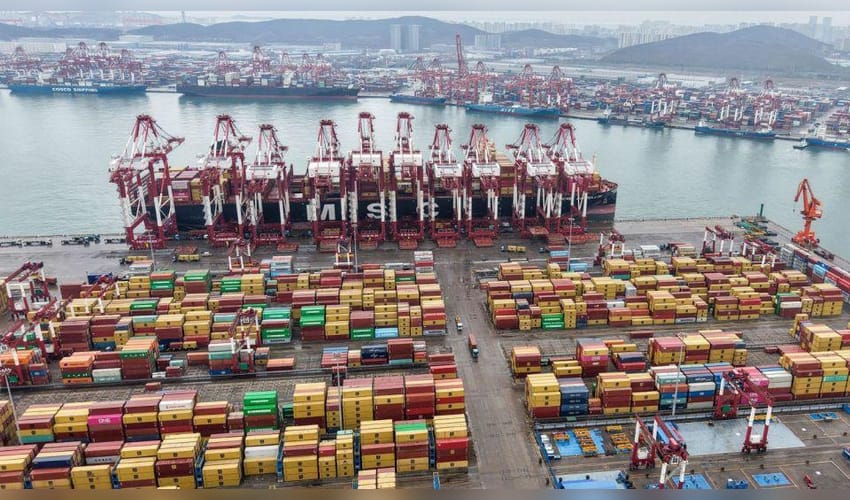

China has strongly criticized what it describes as unilateral restrictive measures imposed by the United States, arguing that such actions undermine fair competition, disrupt global supply chains, and increase uncertainty in the international economy.
Beijing's latest criticism comes amid continuing tensions between the world's two largest economies over trade, technology, investment, and national security. Chinese officials have repeatedly argued that sanctions, export controls, and investment restrictions imposed by Washington amount to economic pressure designed to contain China's development.
According to Chinese authorities, unilateral measures imposed outside internationally recognized frameworks risk damaging not only bilateral relations but also the broader global trading system. Beijing maintains that disputes should be resolved through dialogue, negotiation, and multilateral institutions rather than through punitive restrictions.
The United States, however, has defended many of its measures as necessary to protect national security and safeguard sensitive technologies. Washington has increasingly targeted sectors such as advanced semiconductors, artificial intelligence, telecommunications, and high-tech manufacturing, citing strategic concerns.
China argues that such restrictions blur the line between legitimate security concerns and economic competition. Chinese officials contend that excessive use of sanctions and export controls can fragment global markets, increase costs for businesses, and slow technological innovation.
The dispute reflects a larger geopolitical competition that has reshaped international trade patterns in recent years. Companies operating across borders have been forced to navigate growing regulatory complexities as governments seek to secure supply chains and reduce dependence on strategic rivals.
For global businesses, the prolonged standoff presents significant challenges. Uncertainty surrounding regulations, market access, and technology transfers can affect investment decisions and long-term planning. Many multinational corporations are increasingly finding themselves caught between competing economic and political priorities.
Despite the sharp rhetoric, both countries remain deeply interconnected economically. Bilateral trade continues on a massive scale, and analysts note that complete economic separation remains unlikely in the near future. However, continued restrictions and countermeasures could accelerate efforts by both sides to reduce vulnerabilities and strengthen domestic industries.
As strategic competition intensifies, the debate over unilateral restrictions is likely to remain a central feature of US-China relations. Whether through negotiations, diplomatic engagement, or further policy actions, the outcome will have implications far beyond the two countries, influencing global trade, technology development, and economic stability.
China's latest criticism signals that Beijing is unlikely to accept additional restrictions without response, setting the stage for continued friction between the two powers as they compete for influence in an increasingly complex international landscape.
Disclaimer : This image is taken from ANN.