



World
Chenab-Beas Tunnel Project Exposes Pakistan's Water Vulnerabilities
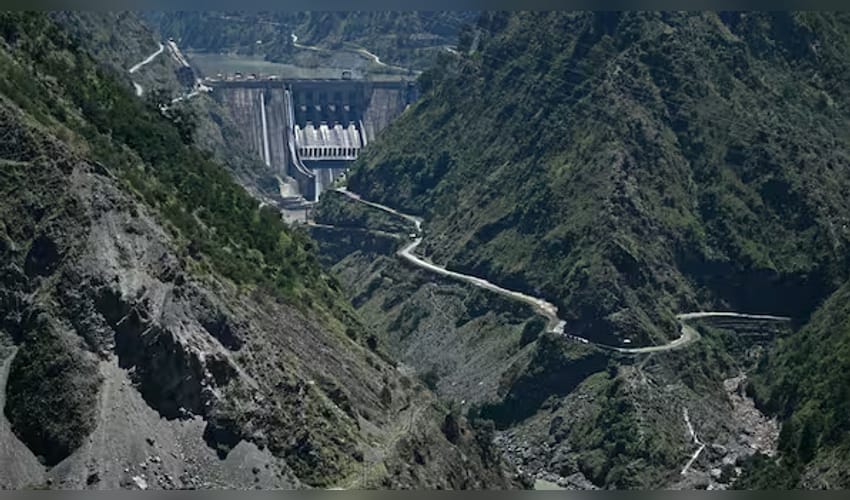

India's reported progress on the Chenab-Beas tunnel project has generated concern in Pakistan, where policymakers and analysts fear the initiative could strengthen New Delhi's ability to manage water resources in ways that affect downstream flows. The project, which is intended to improve water utilization and infrastructure connectivity within India's river systems, has drawn attention because of its potential implications for the broader Indus basin. While Indian officials have emphasized domestic water management objectives, the development has sparked debate in Pakistan over long-term water security and economic resilience.
For Islamabad, the controversy highlights a deeper strategic challenge. Pakistan remains one of the world's most water-stressed countries, with agriculture accounting for a significant share of economic activity and employment. Any perception that upstream infrastructure could alter water availability inevitably generates concern among policymakers and farming communities.
The issue has also revived discussions about the importance of modernizing Pakistan's own water management systems. Experts have long warned that inefficient irrigation practices, aging infrastructure, reservoir limitations, and poor water conservation policies pose serious risks to the country's future regardless of developments across the border.
Critics argue that Pakistan's recurring alarm over Indian water projects often masks domestic shortcomings. Decades of underinvestment in dams, storage facilities, and conservation initiatives have left the country increasingly vulnerable to both droughts and floods. As a result, external developments can appear more threatening because of weaknesses that already exist within Pakistan's water sector.
The debate surrounding the Chenab-Beas project also reflects the broader strategic rivalry between the two neighbors. Water has become an increasingly sensitive issue amid political tensions, security disputes, and growing concerns about climate change. Rising populations and shifting weather patterns are expected to place even greater pressure on regional water resources in the coming decades.
While the ultimate impact of the project remains subject to technical and legal considerations, the controversy serves as a reminder that water security is rapidly becoming a central component of national security. For Pakistan, the most effective response may not be diplomatic criticism alone but accelerated investment in domestic reforms that reduce vulnerability to external developments.
The Chenab-Beas tunnel discussion has therefore become about more than a single infrastructure project. It has exposed fundamental questions about Pakistan's preparedness for a future in which water scarcity, climate pressures, and regional competition are likely to become increasingly interconnected challenges. Whether Islamabad chooses to focus on external criticism or internal reform may determine how successfully it navigates those challenges in the years ahead.



