



Economy
Centre Introduces Rs300 Minimum Daily Wage for Rural Workers Ahead of VB-G RAM G Rollout.
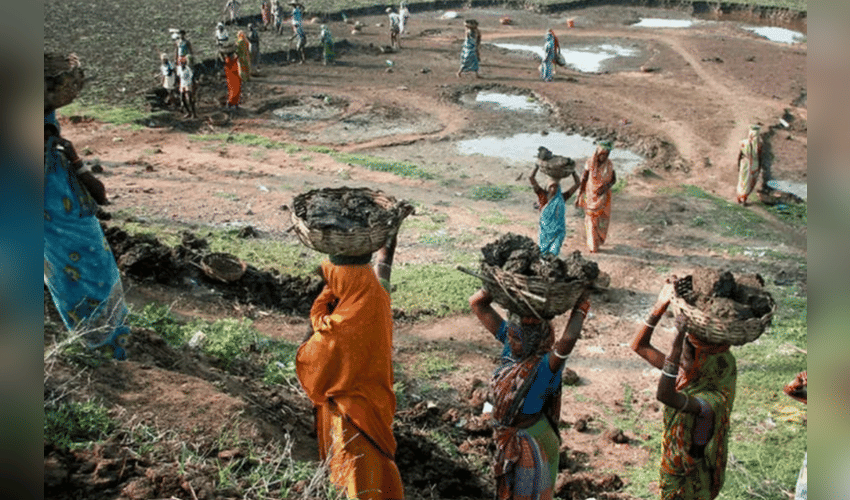

The Central Government has announced revised wage rates for rural workers, setting a nationwide minimum daily wage of ₹300 under the newly introduced Viksit Bharat–Guarantee for Rozgar and Ajeevika Mission (Gramin), popularly known as VB-G RAM G. The updated wage structure comes into effect from July 1, coinciding with the nationwide rollout of the new rural employment framework that replaces the earlier MGNREGA system.
According to the Ministry of Rural Development, the revised wages ensure that no eligible worker under the scheme will receive less than ₹300 per day, regardless of the state or Union Territory. This marks the first time a national minimum wage floor has been introduced under India's rural employment guarantee programme. The move is aimed at improving income security for millions of rural households while reducing disparities in wage rates across different regions.
The wage revision is part of a broader overhaul of India's rural employment policy through the VB-G RAM G Act, 2025. Besides increasing the wage floor, the new law extends the annual employment guarantee from 100 days to 125 days for eligible rural households. Officials believe the additional workdays, combined with higher wages, will strengthen rural purchasing power and provide greater financial stability to families dependent on seasonal employment.
Government data indicates that wage rates have been revised upward across all states and Union Territories covered under the programme. The average notified daily wage has increased by more than 10%, reflecting the Centre's effort to align wage payments with rising living costs and inflation. States that previously had lower wage rates have received comparatively larger increases to narrow regional income gaps.
The transition from MGNREGA to VB-G RAM G is expected to be seamless, with ongoing projects continuing without interruption and existing verified job cards remaining valid. The government has also assured that digital systems for wage payments, worker registration, and project monitoring will continue to operate during the shift to the new framework.
Apart from guaranteeing employment, the new scheme places greater emphasis on creating durable rural infrastructure and community assets. Projects related to water conservation, irrigation, rural connectivity, climate resilience, and livelihood enhancement are expected to receive increased attention. Policymakers believe that linking employment generation with long-term rural development can create sustainable economic benefits beyond temporary wage support.
Economists suggest that the higher wage floor could boost consumption in rural markets by increasing disposable incomes, especially in economically weaker districts. However, they also note that the long-term success of the programme will depend on timely wage payments, efficient implementation by state governments, and the availability of sufficient funds to meet growing demand for employment.
With the implementation of the ₹300 daily wage floor and the expansion of guaranteed work to 125 days, the Centre is positioning VB-G RAM G as a major step toward strengthening rural livelihoods while supporting its broader vision of inclusive economic development. The coming months will determine how effectively the revised framework translates into improved incomes, stronger rural infrastructure, and enhanced employment opportunities across the country.



