



Military
CDS General NS Raja Subramani to Present Integrated Theatre Command Plan to Rajnath Singh for CCS Approval
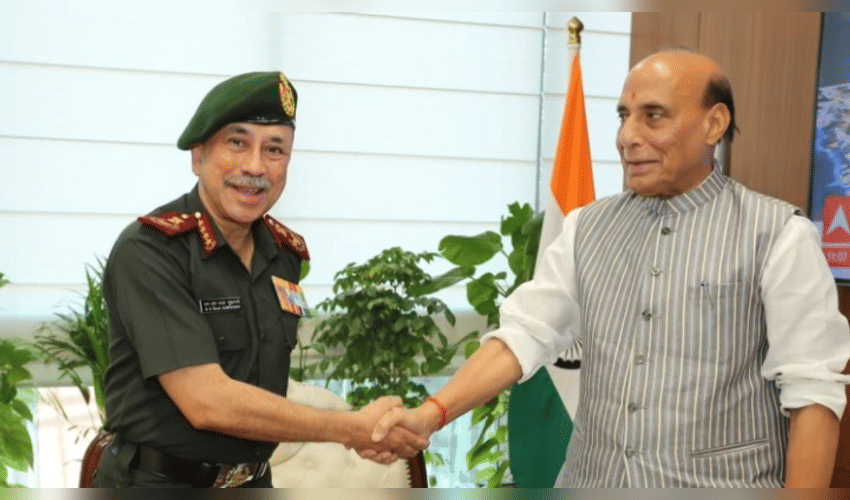

General N S Raja Subramani, who recently took charge as India’s third Chief of Defence Staff (CDS), is set to push forward the long-pending reform of creating integrated theatre commands for the armed forces. By the end of this month, General Subramani is expected to present the proposed theatre command structure before Defence Minister Rajnath Singh, seeking approval to take the proposal to the Cabinet Committee on Security (CCS) headed by Prime Minister Narendra Modi. The move represents a major milestone in a reform process that has been under discussion since 2022.
The upcoming presentation will be based on the final framework prepared by former CDS General Anil Chauhan before completing his tenure on May 31. General Subramani is likely to brief the defence minister and other key stakeholders on various aspects of the plan before it moves to the country’s top security decision-making body.
The proposed structure revolves around three major theatre commands — the Northern Theatre Command focused on China-related security challenges, the Western Theatre Command responsible for the Pakistan front, and the Maritime Theatre Command, which will include the existing Andaman and Nicobar Command.
As part of the restructuring, the plan also proposes the creation of four additional four-star positions, including the post of Vice Chief of Defence Staff. Each theatre command would be headed by a four-star officer, placing the commanders on an equal footing with the existing service chiefs in terms of rank and authority.
Theatre command reform has received strong backing from the political leadership, which views greater integration among the Army, Navy and Air Force as essential for future warfare. However, differences remain within the three services, particularly over concerns regarding the changing role and authority of the service chiefs.
Under the proposed arrangement, the chiefs of the Army, Navy and Air Force would focus primarily on training, manpower management and maintaining military readiness, while operational command during conflicts would shift to theatre commanders. These commanders would directly coordinate with the defence minister during wartime, marking a significant change from the existing command system.
The proposal has also raised concerns over the creation of additional senior military posts. Some officials within the defence establishment and bureaucracy have questioned whether adding more four-star positions could make the command structure excessively top-heavy. Supporters of the reform, however, argue that maintaining appropriate rank and authority is necessary, as appointing theatre commanders below the level of service chiefs could create issues of hierarchy and operational control.
Although all three service chiefs had supported the theatre command plan during General Anil Chauhan’s tenure, the Indian Air Force has maintained a more cautious approach. The Air Force has expressed concerns that dividing limited air assets among multiple theatre commands could affect operational flexibility and combat effectiveness. Meanwhile, the Army and Navy have largely supported the move, viewing it as a way to strengthen joint operations and improve coordination.
The strategy behind theatreisation has changed over the years. While India’s first CDS, General Bipin Rawat, followed a more direct approach to bring the three services under a unified structure, General Anil Chauhan focused on a gradual method by strengthening joint operations, communication networks and intelligence-sharing mechanisms. General Raja Subramani now faces the challenging task of guiding the reform through its final stages while balancing political expectations, administrative concerns and differences among the armed forces.
The upcoming presentation to the defence minister could become a turning point in India’s military transformation. If approved, the theatre command system will represent one of the biggest changes in the organisation of the Indian Armed Forces and could influence the country’s defence preparedness and operational strategy for decades.



