



Politics
BJP Dials Back 'Jai Shree Ram,' Embraces 'Jai Maa Kali' for Bengal 2026 Polls
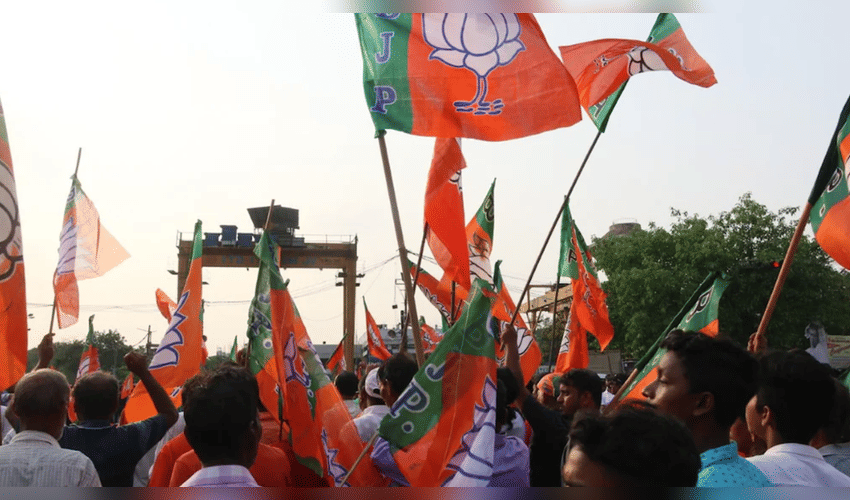

In a notable shift ahead of the 2026 Lok Sabha elections, the Bharatiya Janata Party's (BJP) West Bengal unit is pivoting from the contentious "Jai Shree Ram" slogan to "Jai Maa Kali," tapping into the state's profound devotion to Goddess Kali. The change was evident at recent BJP rallies in Howrah, Hooghly, and South 24 Parganas, where state president Sukanta Majumdar and Nandigram MLA Suvendu Adhikari led chants honoring Maa Kali. Temples like Dakshineswar and Kalighat, epicenters of Kali worship, underscore the deity's cultural dominance in Bengal, where Kali Puja rivals Durga Puja in fervor.
This contrasts sharply with the 2021 assembly polls, when "Jai Shree Ram" propelled BJP to 77 seats but ignited violence, including clashes in Nandigram that pitted party workers against Trinamool Congress (TMC) supporters. TMC had branded the Ram slogan as an "outsider imposition," helping Mamata Banerjee secure victory.
BJP insiders call it a "cultural recalibration" to align with local sentiments. "Bengal breathes Kali—our messaging now mirrors that heartbeat," one leader said anonymously. On social media, #JaiMaaKaliBengal is surging, with rally videos racking up views and positioning the party as custodians of regional traditions. Early CVoter surveys show BJP gaining ground in Kali-stronghold areas, though TMC holds a commanding lead. TMC spokespersons dismissed the move as "electoral flip-flopping," promising to counter with their "Khela Hobe" slogan and women-focused outreach.
The strategy fits BJP's broader Bengal playbook, blending development promises—like infrastructure in rural belts—with localized appeals. Political observers note it counters TMC's narrative of being Bengal's true cultural voice, especially after BJP's national Ram Temple push. No response from BJP's central leadership was immediately available. As polls near, this rebrand could reshape voter alignments in a state where faith and politics intertwine.



