



News
Bisleri Says Its Water Is Safe for Consumption After FSSAI Approves Prosecution Over Unsafe Sample
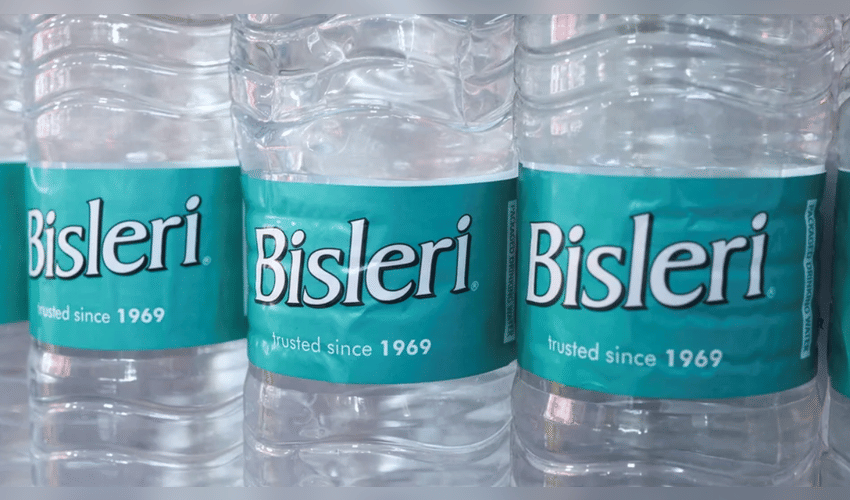

Bisleri International has defended the safety of its packaged drinking water after the Food Safety and Standards Authority of India (FSSAI) approved prosecution against the company over a water sample declared unsafe during laboratory testing. The regulatory action follows the examination of samples collected from Bisleri's manufacturing facility in Goa on September 30, 2025. According to the findings reported by the food safety regulator, the sample initially failed to meet the prescribed bromate limit. A subsequent examination by a referral laboratory also raised concerns over the presence of polynuclear aromatic hydrocarbons (PAHs).
The findings prompted FSSAI to approve prosecution under the Food Safety and Standards Act, 2006, bringing the company's water quality standards under scrutiny. Responding to the development, Bisleri maintained that its packaged drinking water is safe for consumption and said the issue relates to a specific batch manufactured at its Goa facility, rather than its entire product range.
According to the company, six samples were collected during the inspection. Five reportedly met the required standards, while one showed a bromate concentration of 12 micrograms per litre against the permitted limit of 10 micrograms per litre. Bisleri challenged the initial laboratory findings in November 2025. The company said the referral laboratory subsequently found bromate levels within the prescribed limit but identified PAHs in the sample.
The company also claimed that it independently tested the sample through an FSSAI-approved laboratory, which reportedly found bromate levels within the permissible range. Bisleri said it submitted the independent test results to FSSAI's Western Regional Office on February 2, 2026. The company further stated that it had not received any subsequent communication regarding the matter and believed the issue had been closed. It also said it had not received the reported prosecution notice through email or physical delivery when it issued its response.
Bisleri emphasised that quality control remains a central part of its manufacturing operations, adding that its production process involves multiple stages of purification and more than 90 quality checks. The substances mentioned in the laboratory findings have raised particular concerns because of their potential health implications. Bromate can form as a by-product during ozone-based water treatment, while certain PAHs are associated with environmental contamination and long-term health risks.
The development has renewed attention on quality monitoring in India's packaged drinking water industry, where millions of consumers depend on bottled water for their daily needs. The FSSAI action does not automatically establish that all Bisleri products are unsafe. The regulatory dispute concerns a particular sample, and the company's claims will need to be assessed alongside the laboratory findings and the legal proceedings.
The matter is expected to move forward through the appropriate legal process. The final outcome will depend on the evidence presented and the assessment of the competent authorities. The controversy highlights the importance of transparent laboratory testing, strict manufacturing standards and effective regulatory oversight in ensuring the safety of packaged drinking water sold across the country.
Disclaimer: This image is taken from Reuters.