



News
Between Evidence and Experience: Pakistan's Harassment Laws Under Scrutiny
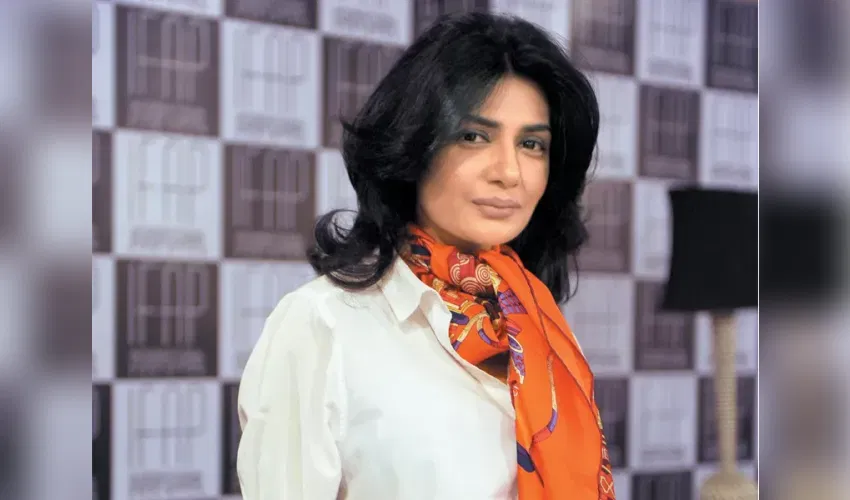

Pakistan has once again found itself at the center of a difficult and deeply uncomfortable conversation about justice, gender, and power. The recent verdict in the case involving Meesha Shafi, followed by strong criticism from Iffat Omar, has reignited debate over whether women in the country can truly expect fairness when they speak out.
The case itself was seen as a landmark moment when it first emerged, with Meesha Shafi publicly accusing Ali Zafar of harassment. It became one of Pakistan’s most prominent #MeToo cases, symbolizing a potential shift in how allegations of misconduct might be handled in a society where such issues are often silenced. For many, it was not just about two individuals, but about testing whether institutions could rise above cultural biases and deliver impartial justice.
The verdict, however, has left many disillusioned. Iffat Omar’s remark “It’s a man’s world” captures a sentiment that is now echoing across social and media circles. The fear is not just about the outcome of one case, but about the precedent it sets. When a high-profile complaint fails to result in accountability, it risks sending a chilling message to countless other women: speaking up may not only be futile but could also invite scrutiny, backlash, and personal cost.
Critics argue that the case highlights structural weaknesses within Pakistan’s legal and social systems. Legal processes in harassment cases often demand a level of evidence that is difficult to produce, especially when incidents occur in private settings. At the same time, societal attitudes frequently place the burden of proof and suspicion on the accuser rather than the accused. This combination creates an environment where justice becomes difficult to attain, even in cases that gain national attention.
Supporters of the verdict, on the other hand, stress the importance of due process and caution against trial by media. They argue that courts must rely on evidence rather than public sentiment, and that acquittals should not automatically be interpreted as systemic failure. This perspective underscores a key tension: the need to protect the rights of the accused while also ensuring that victims feel safe and supported in coming forward.
What makes this situation particularly significant is its broader impact. High-profile cases shape public perception. When such a case ends without clear accountability, it can discourage future reporting and reinforce existing fears. In a country where many incidents of harassment already go unreported, this effect can be profound.
Iffat Omar’s criticism, therefore, is not merely a reaction to a single verdict; it reflects a deeper frustration with what many see as an unequal playing field. Whether one agrees with her statement or not, it has succeeded in drawing attention to the larger issue: the gap between legal outcomes and public expectations of justice.
Ultimately, the controversy surrounding this case is less about assigning blame and more about confronting uncomfortable questions. Can Pakistan create a system where both fairness and sensitivity coexist? Can it ensure that women who come forward are neither dismissed nor automatically believed without evidence, but instead are given a genuine chance at justice? Until these questions are addressed, cases like that of Meesha Shafi will continue to resonate far beyond the courtroom, shaping not only legal discourse but also the confidence of an entire generation of women.
Disclaimer : This image is taken from The Express Tribune.



