



News
Bangladesh Referendum Sparks Political Tensions After Post-Election Reforms Vote
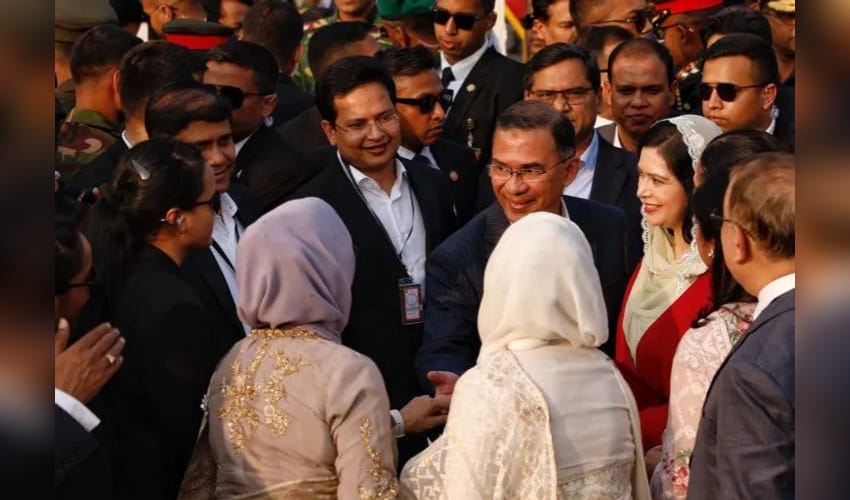

A national referendum on sweeping constitutional reforms has emerged as a major political flashpoint in Bangladesh, exposing divisions between the ruling Bangladesh Nationalist Party (BNP) and opposition Islamist groups following recent parliamentary elections. The referendum, held alongside national polls, approved the July National Charter with over 60 percent voter support. The charter outlines extensive political reforms, including introducing term limits for the prime minister, expanding presidential powers, increasing women’s political representation, and creating a new upper chamber in parliament.
The reforms were introduced after the political upheaval of July 2024, when mass protests forced former Prime Minister Sheikh Hasina from power following a deadly government crackdown on demonstrators. After her removal, Nobel laureate and interim leader Muhammad Yunus oversaw the drafting of the reform roadmap. However, despite the referendum’s approval, political tensions have escalated over how the reforms should be implemented. Members of parliament from the BNP, led by Prime Minister Tarique Rahman, refused to take an oath required to join the Constitutional Reform Council, which is responsible for implementing the changes. Their refusal has delayed the formation of the council and created uncertainty over the reform process.
The disagreement centres largely on the proposed structure of the new upper house of parliament. The charter recommends proportional representation, which would allocate seats based on overall vote share. However, the BNP has expressed concerns that such a system could weaken its parliamentary advantage, preferring a structure aligned with the current electoral model.
Opposition parties, including the Islamist Bangladesh Jamaat-e-Islami, have criticised the BNP’s position and urged immediate implementation of the reforms, arguing that the referendum reflects the will of the people. Political analysts warn that the referendum could become a prolonged point of contention, as disagreements continue over the timeline and mechanisms for implementing the reforms. The developments highlight deep political divisions and raise concerns about Bangladesh’s ability to maintain stability and carry out structural changes during its ongoing political transition.



