



World
Bangladesh Faces 'Exhaustion Trap' as Rohingya Crisis Drags on Without Diplomatic Breakthrough
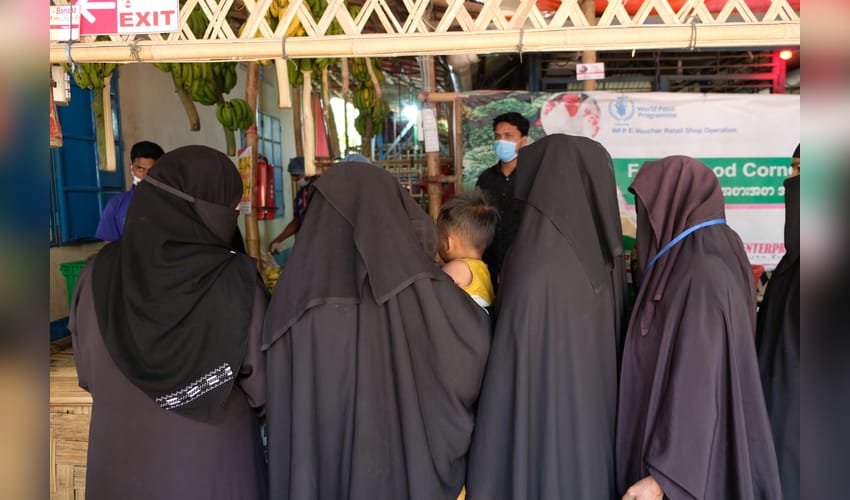

Bangladesh’s prolonged efforts to resolve the Rohingya refugee crisis are increasingly being described as stuck in an “exhaustion trap,” with diplomatic initiatives failing to produce meaningful progress despite years of negotiations. According to recent analysis, the situation has reached a point where all stakeholders—including Bangladesh, Myanmar, and international actors—acknowledge that current approaches are not working, yet no viable alternative has emerged. This has resulted in a cycle of repeated talks, stalled agreements, and limited outcomes.
Bangladesh continues to host more than a million Rohingya refugees who fled persecution in Myanmar, placing immense pressure on its economy, infrastructure, and security systems. The crisis, which escalated dramatically in 2017, remains unresolved due to the absence of conditions necessary for safe and voluntary repatriation.
Diplomatic efforts have largely focused on repatriation agreements with Myanmar, but these initiatives have repeatedly failed. While discussions and verification processes have taken place, actual returns have been minimal, largely due to security concerns, lack of citizenship guarantees, and ongoing instability in Myanmar’s Rakhine state.
The “exhaustion trap” refers to a growing sense of fatigue among policymakers and international stakeholders. Bangladesh has continued to push for multilateral engagement and global responsibility-sharing, but diminishing international attention and funding constraints have complicated the situation further. At the same time, conditions inside refugee camps remain difficult, with overcrowding, limited economic opportunities, and dependence on humanitarian aid. Recent reductions in assistance have heightened concerns about worsening living conditions and long-term sustainability.
Experts warn that without renewed diplomatic momentum and stronger international coordination, the crisis risks becoming a permanent humanitarian and geopolitical challenge. Calls are growing for a shift in strategy—one that goes beyond repetitive negotiations and addresses the root causes of displacement, including rights, security, and political recognition for the Rohingya people. As the situation stands, Bangladesh finds itself balancing humanitarian responsibility with increasing domestic strain, while the broader international community struggles to translate concern into effective action.



