



News
Attack on ANP Leader's Residence Raises Alarming Questions on Security in Pakistan
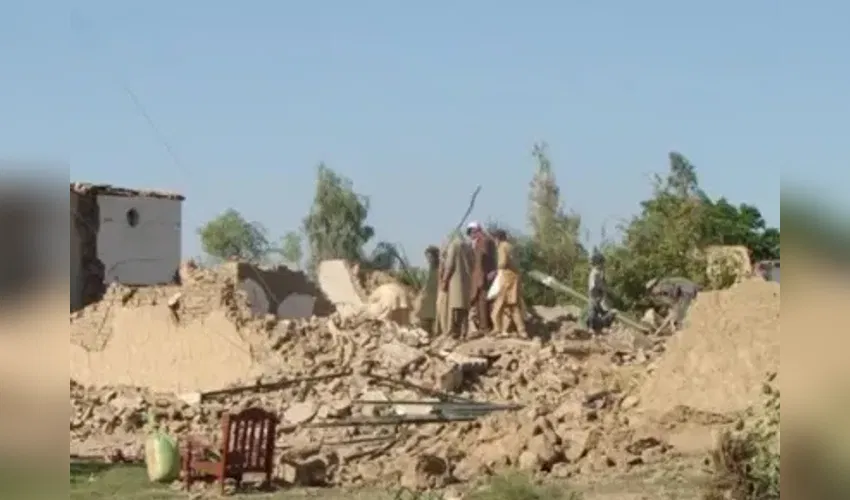

An attempted armed attack on the residence of Ayub Khan Ashari, a senior leader of the Awami National Party, in the Asharay area has once again highlighted the fragile security situation in parts of Pakistan.
According to officials, unidentified armed individuals targeted the residence in the early hours of Tuesday. The attack was thwarted by security guards stationed at the site, preventing what could have escalated into a serious incident. No casualties were reported, and the assailants reportedly fled the scene.
While authorities have described the incident as successfully foiled, the attempted attack raises deeper concerns about the state’s ability to ensure safety even for high-profile political figures. If senior leaders with security protection remain vulnerable, it raises serious questions about the level of risk faced by ordinary citizens.
Khyber Pakhtunkhwa has witnessed recurring security challenges over the years, with periodic spikes in violence linked to militant activity, political rivalries, and weak law enforcement capacity. Incidents like this not only threaten individuals but also contribute to an atmosphere of uncertainty that undermines public confidence.
Critics argue that such attacks point to gaps in intelligence gathering and preventive policing. Despite repeated claims of improved security, the persistence of armed assaults suggests that underlying issues remain unresolved. The ability of attackers to reach the residence of a prominent political leader indicates lapses that cannot be ignored.
Moreover, political figures being targeted adds another dimension to the issue. It raises concerns about the safety of democratic processes and political participation in regions already grappling with instability. When leaders operate under constant threat, it inevitably impacts governance and public engagement.
Authorities are expected to launch an investigation, but past incidents have often seen limited follow-up or delayed accountability. Without consistent and transparent action, such events risk becoming routine headlines rather than triggers for reform.
The foiling of the attack may have prevented immediate harm, but it does little to address the broader reality. Until structural improvements are made in security, intelligence, and law enforcement, incidents like this will continue to expose the vulnerabilities within Pakistan’s internal security framework.
Disclaimer : This image is taken from The Express Tribune.



